
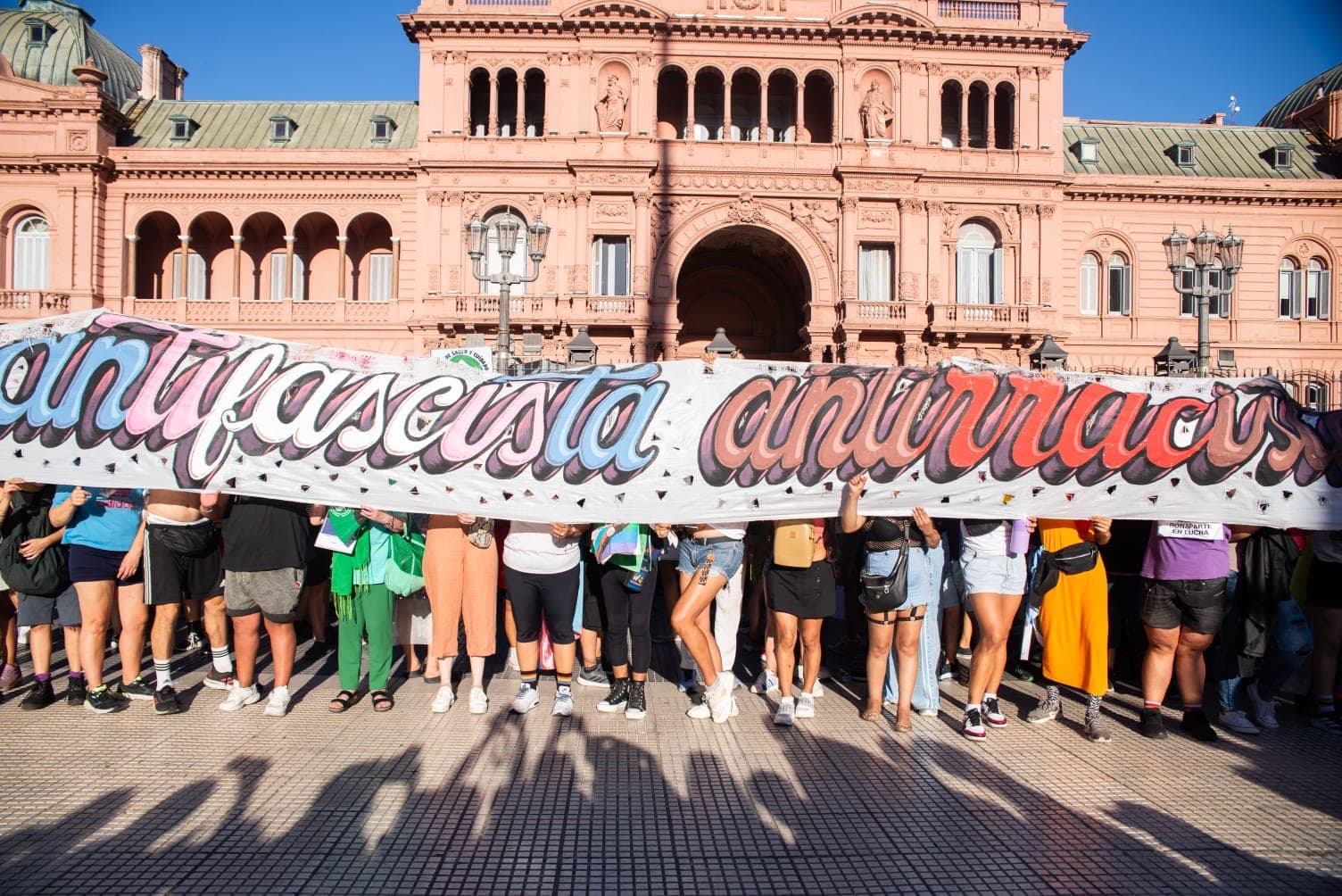
In PerspectiveIn February 2025 the LGTBIQ+ movement organized a massive demonstration in Argentina, against the libertarian government, the president’s homophobic remarks at Davos and his permanent hate speech. It was the first Anti-fascist, Anti-racist, LGBTIQ+ demonstration and it was huge because it managed to mobilize sectors that had rarely mobilized in protest against Milei. In this article we want to analyse what happened that this particular event was able to articulate so many different groups. But also, we propose an explanation for why that movement weakened, giving way to a small demonstration one year later, and how we might regain strength again.
Global South
InterviewIn their book "The Rest and the West: Capital and Power in a Multipolar World", political theorists Brett Neilson and Sandro Mezzadra offer a sweeping analysis of contemporary capitalism's shifting political geographies. As war and militarisation proliferate — from Ukraine to Gaza, Lebanon, Iran, Israel, and Venezuela — their framework offers a rare and timely lens for understanding the entanglement of capital, geopolitics, and violence.
The Authoritariat: An Interview with Rosana Pinheiro-Machado on Work, Subjectivity and the Far-Right
InterviewAcross the Global South, platform work is transforming the labour market and the political imagination of the working class. In this interview, anthropologist Rosana Pinheiro-Machado discusses her concept of the "authoritariat" — segments of the platformised working class drawn to reactionary populism through a mix of precarity, aspiration and the desire for autonomy. Drawing on long-term ethnographic research in Brazil, India and the Philippines, she examines how digital entrepreneurship, coach influencers and the collapse of collective identities are reshaping the political subjectivities of our time.
By Ülker Sözen and Gustavo Robles

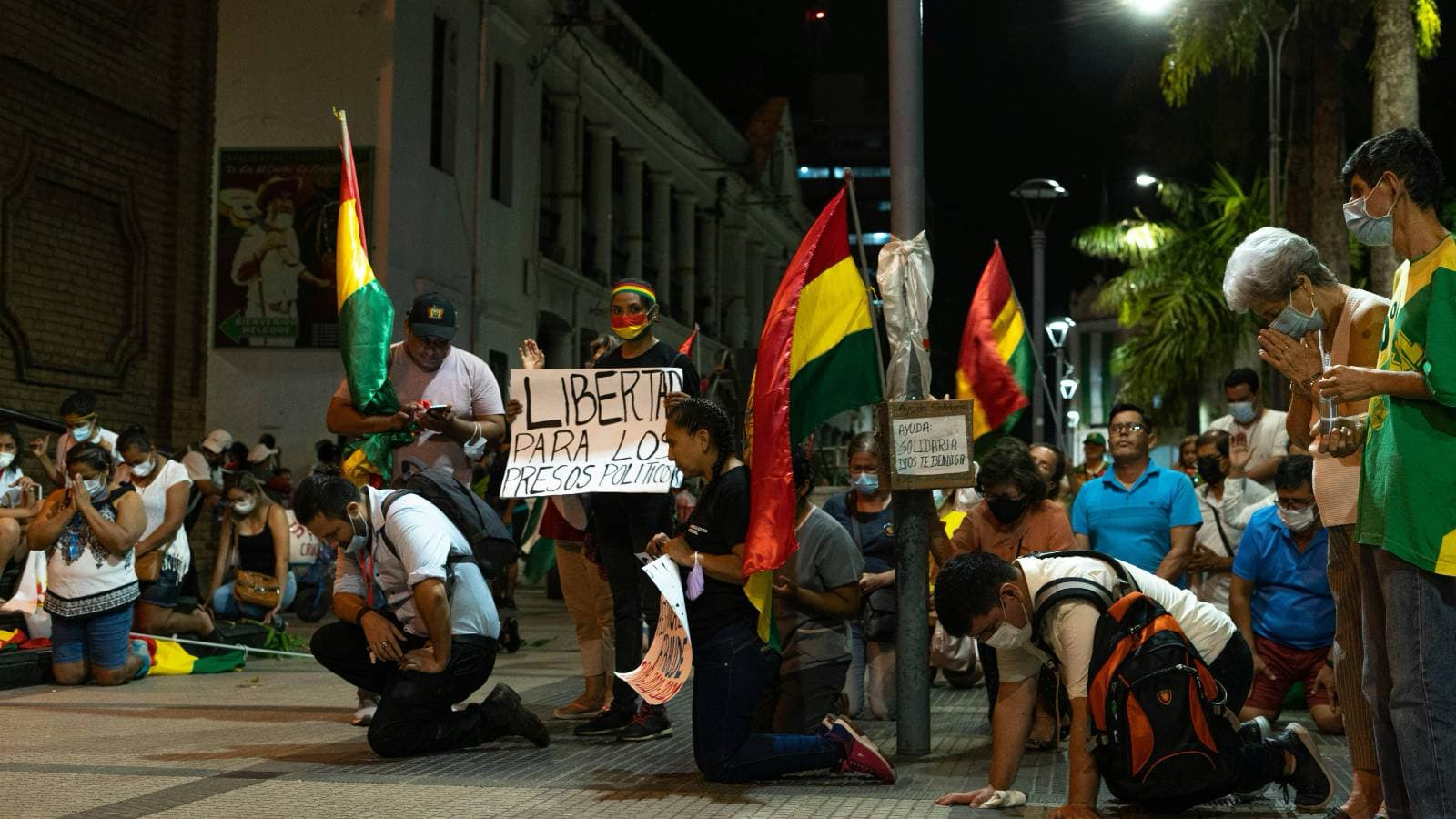
In PerspectiveThe rise of right-wing discourses in Latin America presents itself as a promise of change, appealing to meritocracy, pragmatism, and economic recovery. Yet behind this language of renewal lies a familiar political logic. In a context of crisis, uncertainty, and generational weariness, these narratives recycle conservative and authoritarian measures while positioning themselves as “real solutions,” gaining particular traction among young people who navigate vulnerability, disillusionment, and the search for stability.
Theory & Research
How is “progress” understood in this
territory? For whom is it intended? How has Bolivian society,
particularly in Santa Cruz, been transformed in recent decades? Why
speak of authoritarianism? Seeking collective answers to these
questions—and opening the door to new ones—we met in July at a
roundtable during the Congress of the Association of Bolivian Studies
(AEB). This text summarises the reflections that emerged and presents
a set of ongoing research projects.