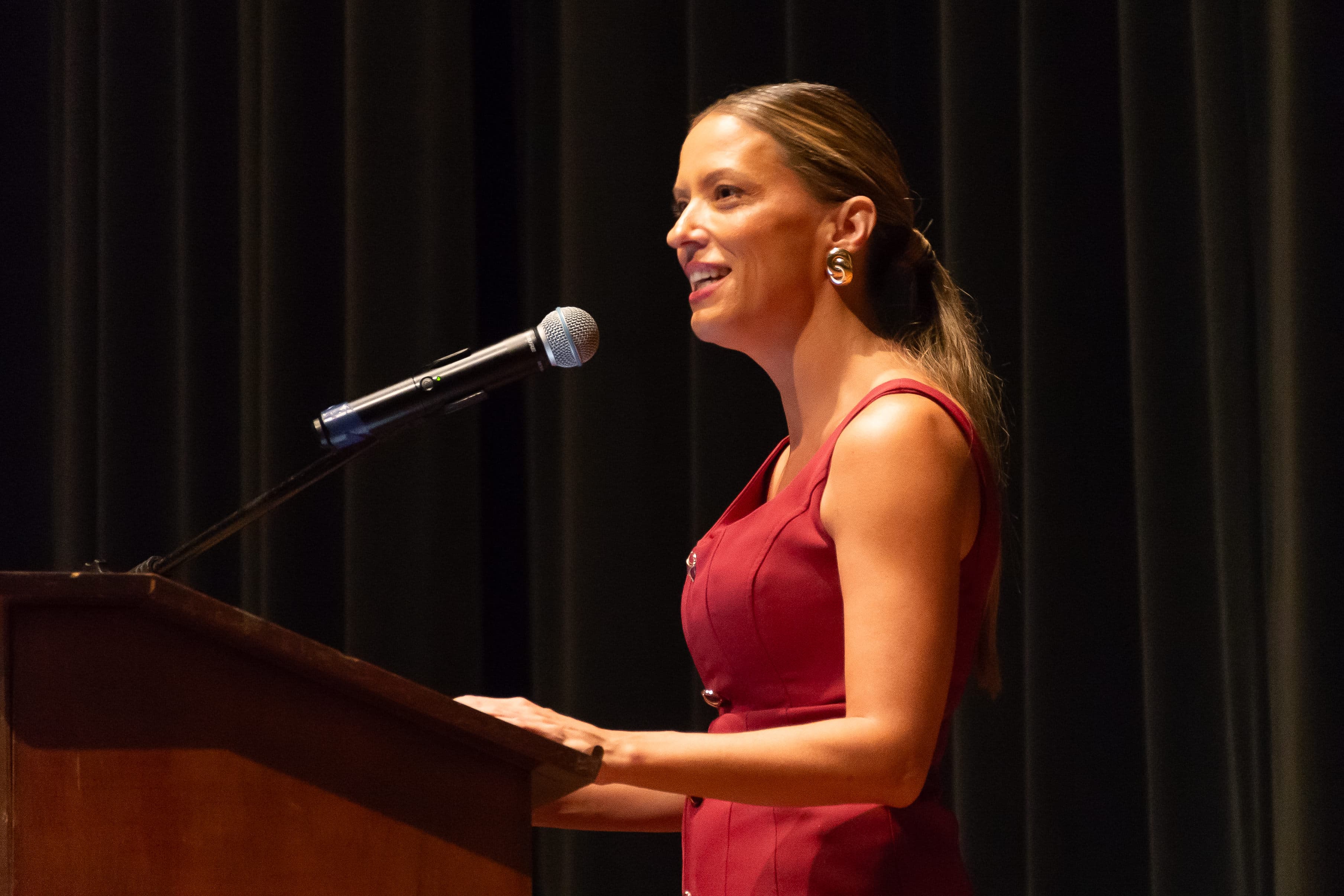
InterviewNearly four years after the killing of Mahsa Jina Amini triggered one of the largest uprisings in Iran since the establishment of the Islamic Republic, the political landscape has changed dramatically. State repression dismantled activist networks, imprisoned militants, and forced many activists into exile, while the military offensive carried out by Israel and the United States reshaped the political terrain. In this interview, Firoozeh Farvardin reflects on the place of feminism in a context marked by internal repression, war, and struggles over who speaks for the Iranian opposition.
Subjectivity & Ideology
In PerspectiveSince 2008, South Africa has witnessed repeated waves of xenophobic violence. In 2026, the citizen-led movement March and March intensified anti-migrant protests. Kennedy Manduna traces this crisis to deeper forces: sub-imperial blowback, far-right scapegoating, and the failure of African governments to address the root causes of migration.
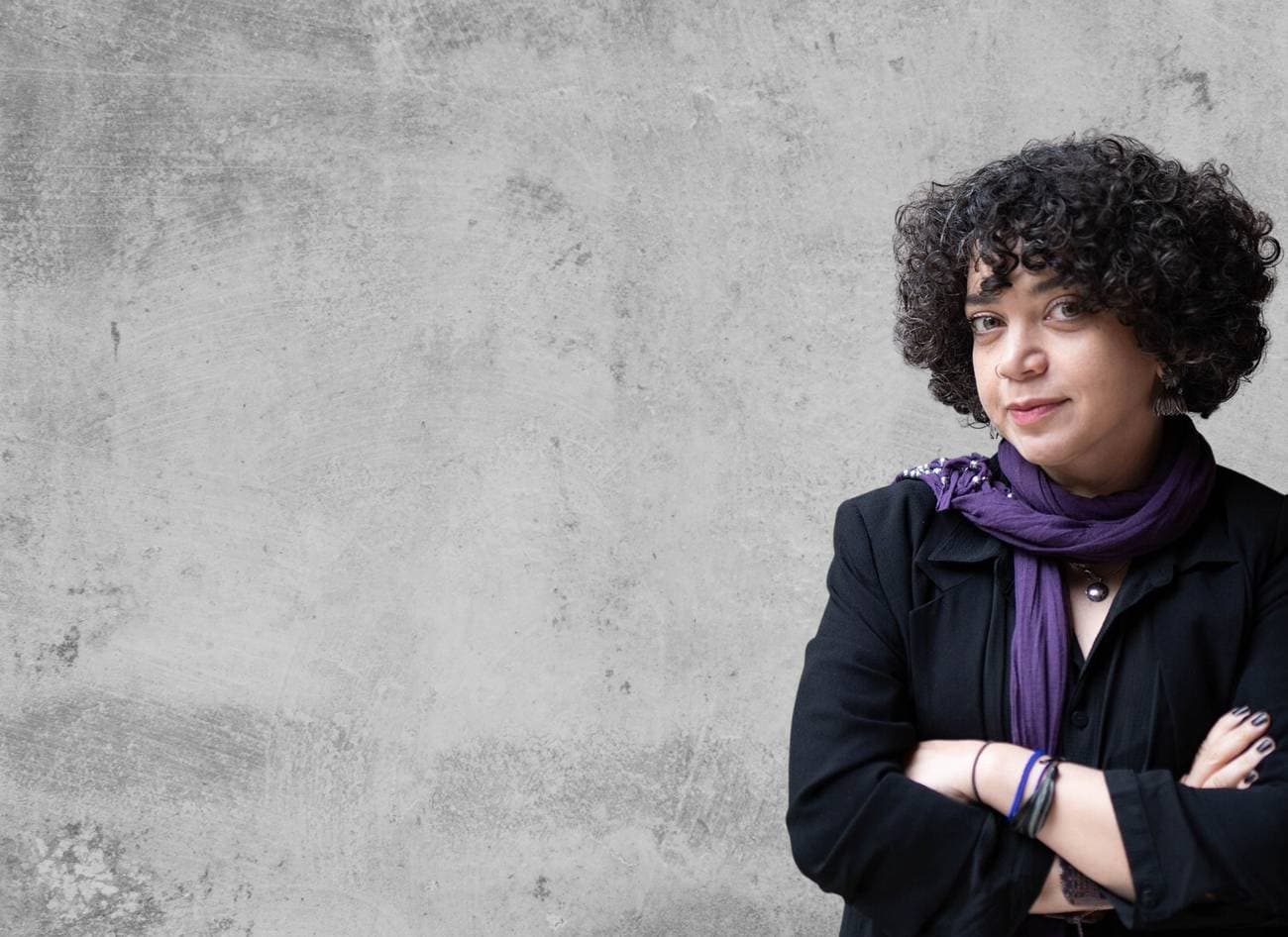
Theory & ResearchVideo games are often dismissed as entertainment, yet they have become a crucial arena where politics, technology, and the far right intersect. From GamerGate and Steve Bannon’s mobilisation of gaming communities to the gamification of online politics, game cultures have profoundly shaped today’s social media dynamics and reactionary movements. Enrico De Angelis explores in this article why games deserve far more attention and political and cultural significance, not only as the world’s largest entertainment industry.

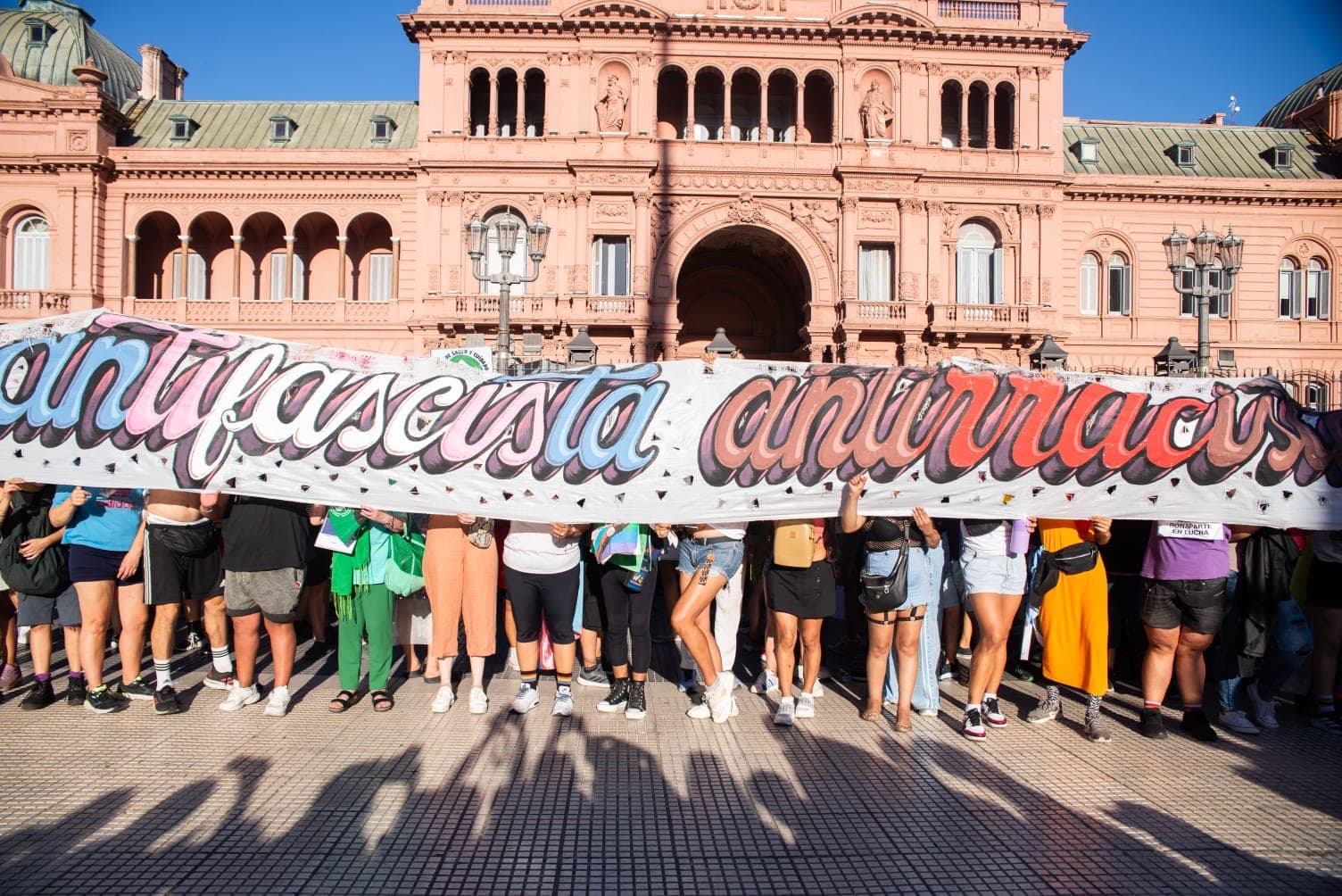
In PerspectiveIn February 2025 the LGTBIQ+ movement organized a massive demonstration in Argentina, against the libertarian government, the president’s homophobic remarks at Davos and his permanent hate speech. It was the first Anti-fascist, Anti-racist, LGBTIQ+ demonstration and it was huge because it managed to mobilize sectors that had rarely mobilized in protest against Milei. In this article we want to analyse what happened that this particular event was able to articulate so many different groups. But also, we propose an explanation for why that movement weakened, giving way to a small demonstration one year later, and how we might regain strength again.
The Authoritariat: An Interview with Rosana Pinheiro-Machado on Work, Subjectivity and the Far-Right
InterviewAcross the Global South, platform work is transforming the labour market and the political imagination of the working class. In this interview, anthropologist Rosana Pinheiro-Machado discusses her concept of the "authoritariat" — segments of the platformised working class drawn to reactionary populism through a mix of precarity, aspiration and the desire for autonomy. Drawing on long-term ethnographic research in Brazil, India and the Philippines, she examines how digital entrepreneurship, coach influencers and the collapse of collective identities are reshaping the political subjectivities of our time.
By Ülker Sözen and Gustavo Robles