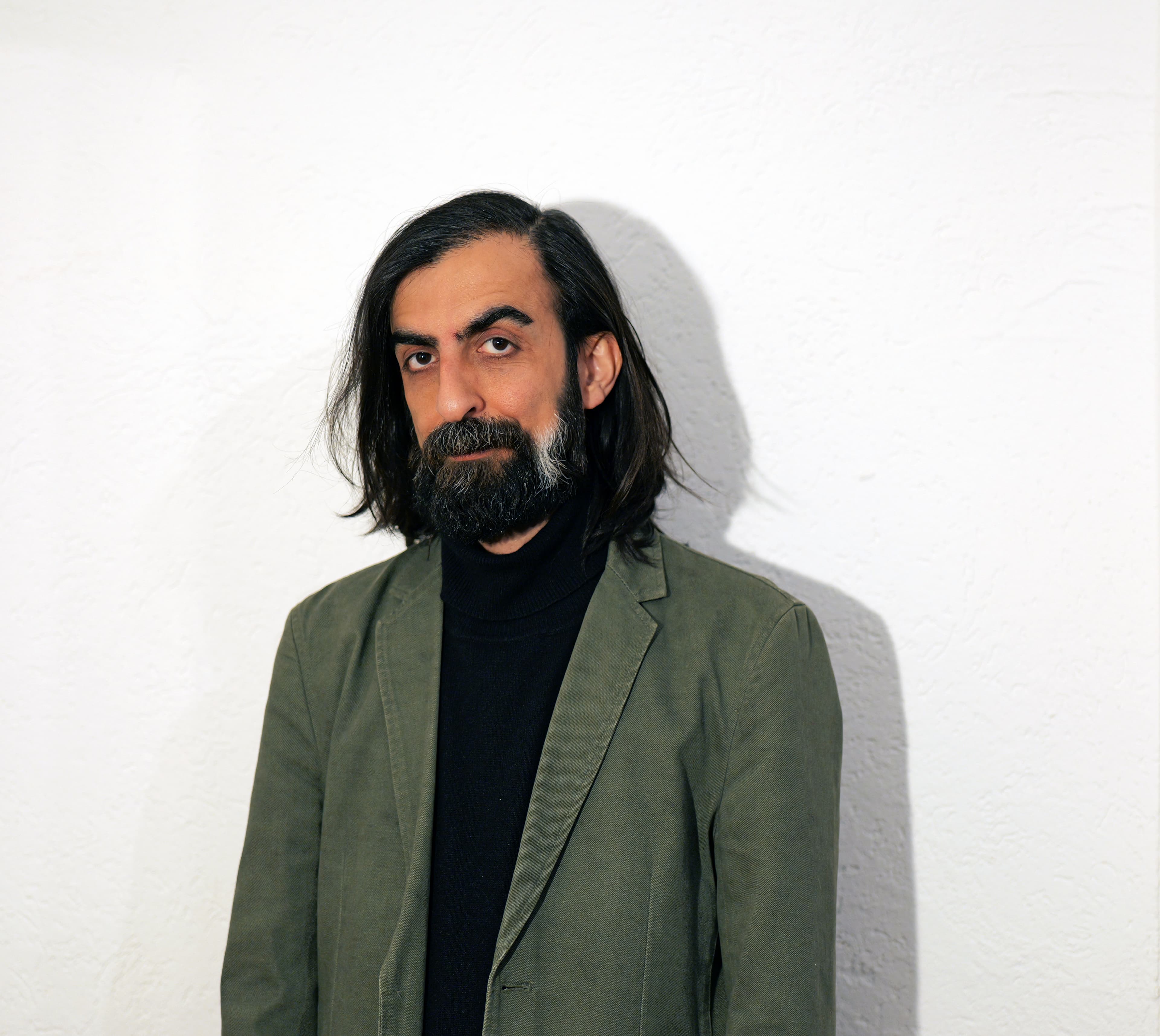
InterviewIn their book "The Rest and the West: Capital and Power in a Multipolar World", political theorists Brett Neilson and Sandro Mezzadra offer a sweeping analysis of contemporary capitalism's shifting political geographies. As war and militarisation proliferate — from Ukraine to Gaza, Lebanon, Iran, Israel, and Venezuela — their framework offers a rare and timely lens for understanding the entanglement of capital, geopolitics, and violence.
Interview
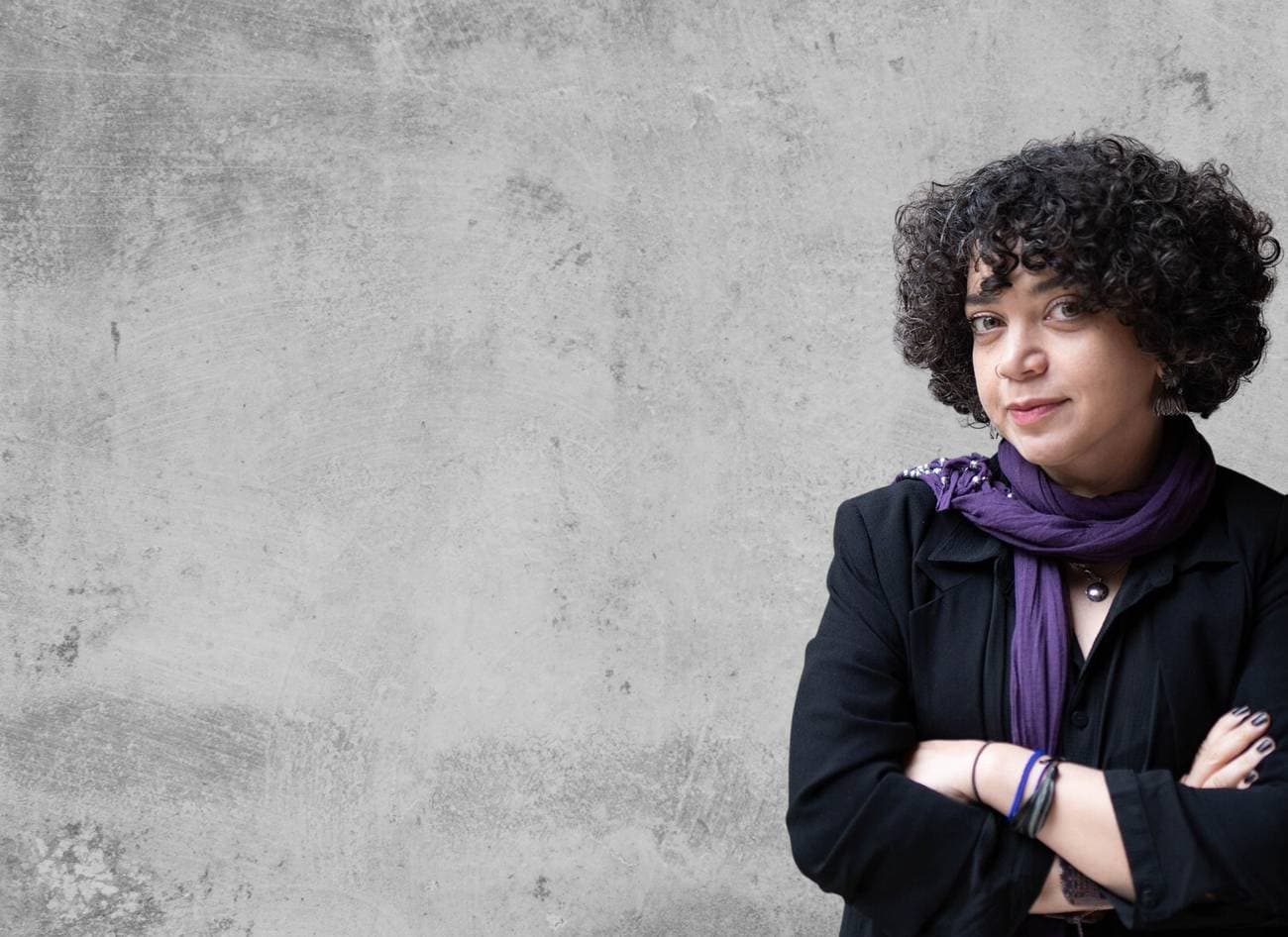
InterviewNearly four years after the killing of Mahsa Jina Amini triggered one of the largest uprisings in Iran since the establishment of the Islamic Republic, the political landscape has changed dramatically. State repression dismantled activist networks, imprisoned militants, and forced many activists into exile, while the military offensive carried out by Israel and the United States reshaped the political terrain. In this interview, Firoozeh Farvardin reflects on the place of feminism in a context marked by internal repression, war, and struggles over who speaks for the Iranian opposition.
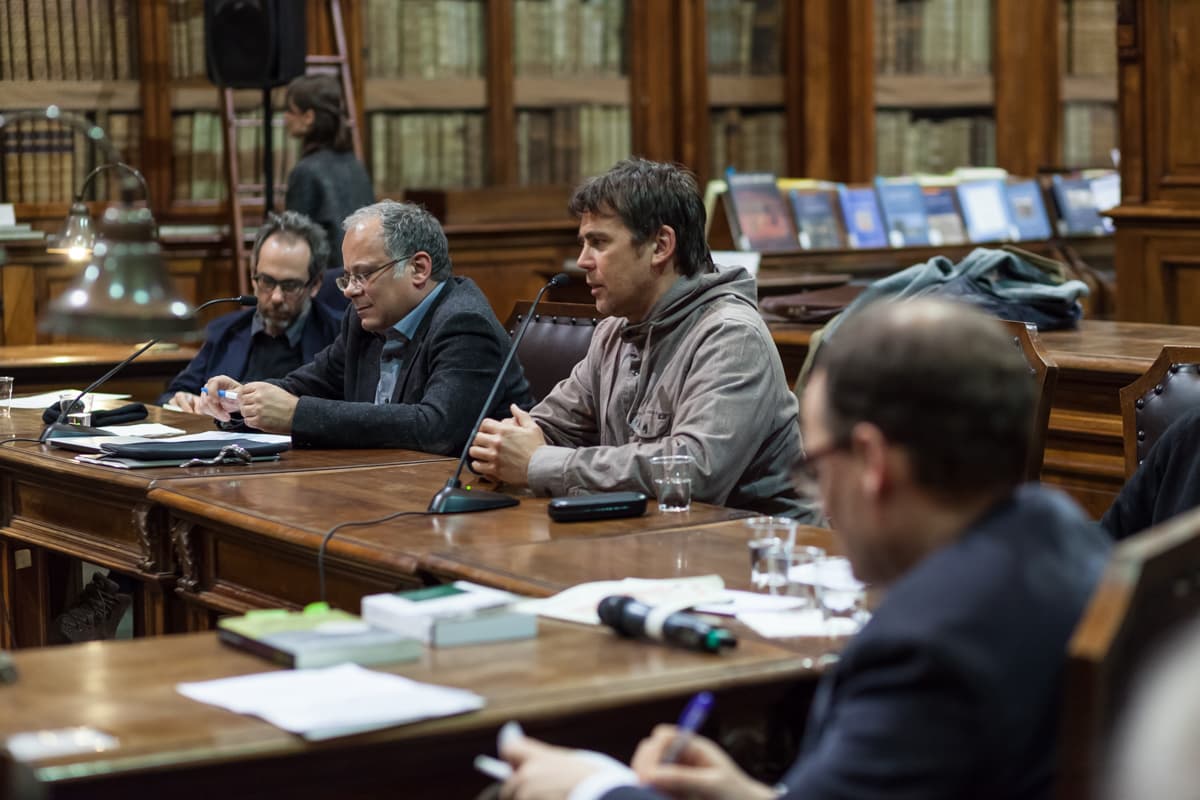
The Authoritariat: An Interview with Rosana Pinheiro-Machado on Work, Subjectivity and the Far-Right
InterviewAcross the Global South, platform work is transforming the labour market and the political imagination of the working class. In this interview, anthropologist Rosana Pinheiro-Machado discusses her concept of the "authoritariat" — segments of the platformised working class drawn to reactionary populism through a mix of precarity, aspiration and the desire for autonomy. Drawing on long-term ethnographic research in Brazil, India and the Philippines, she examines how digital entrepreneurship, coach influencers and the collapse of collective identities are reshaping the political subjectivities of our time.
By Ülker Sözen and Gustavo Robles
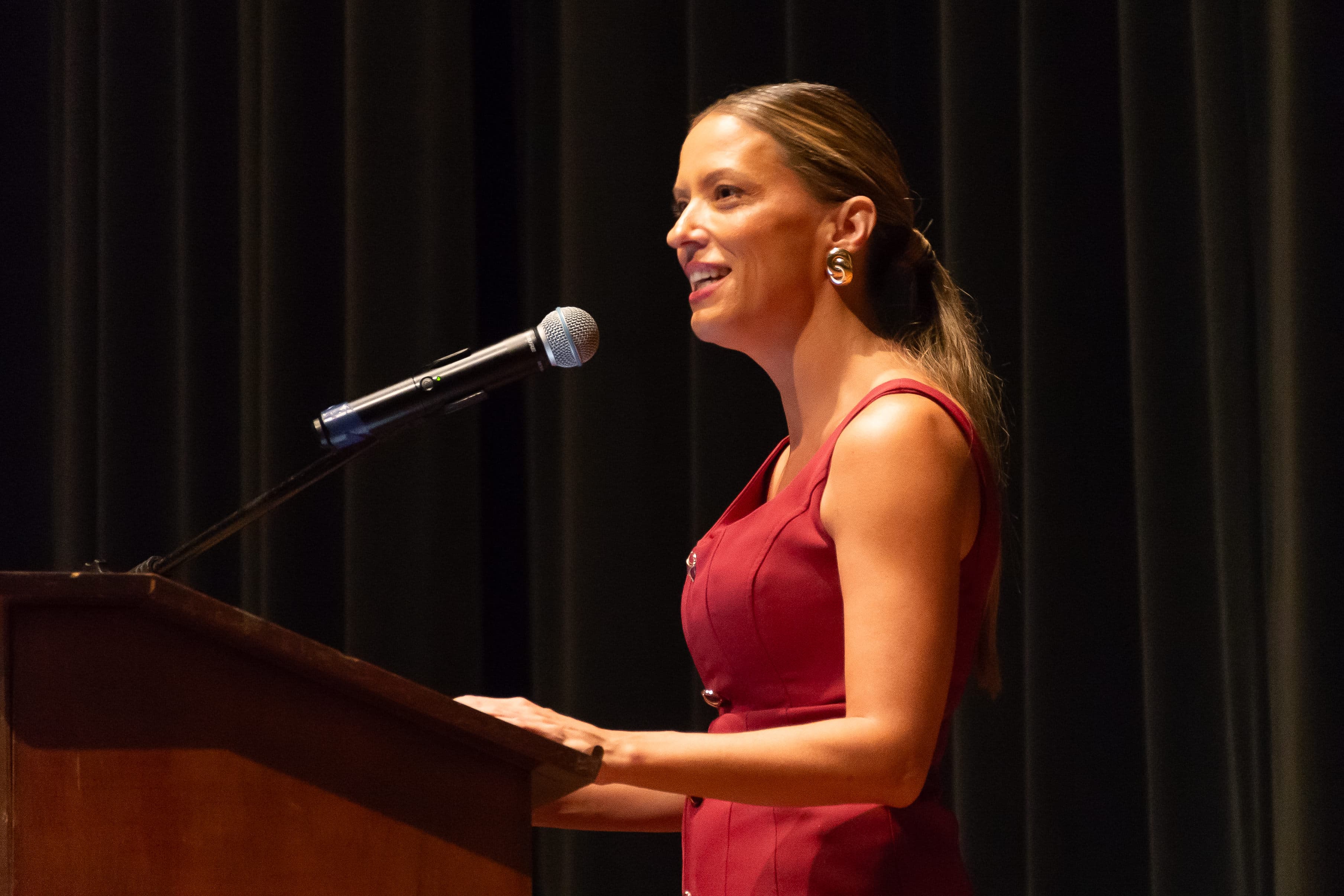
InterviewBansree AS is a rationalist and content creator whose YouTube channel aims to make non hegemonic intellectual discourses accessible to the general public. In this interview he discusses how digital platforms owned by big technology companies accentuate the visibility of certain narratives while casting other voices to obscurity, reflects on anti-caste politics and the difficulty to build a space for non hegemonic ideas within the public sphere.
InterviewIran is going through dramatic times and tectonic shifts. In this interview, Nader Talebi reflects on the Islamic regime and its tensions between a neoliberal state project and a messianic Shia imaginary, and on the waves of uprisings against a regime that enforces gender apartheid and destroys the means of reproduction of life. Against this, Talebi insists on what connects the mobilizations of the last years — a politics of life, cross-ethnic solidarity, and a revolutionary tendency that makes any dictatorship hard to sustain.