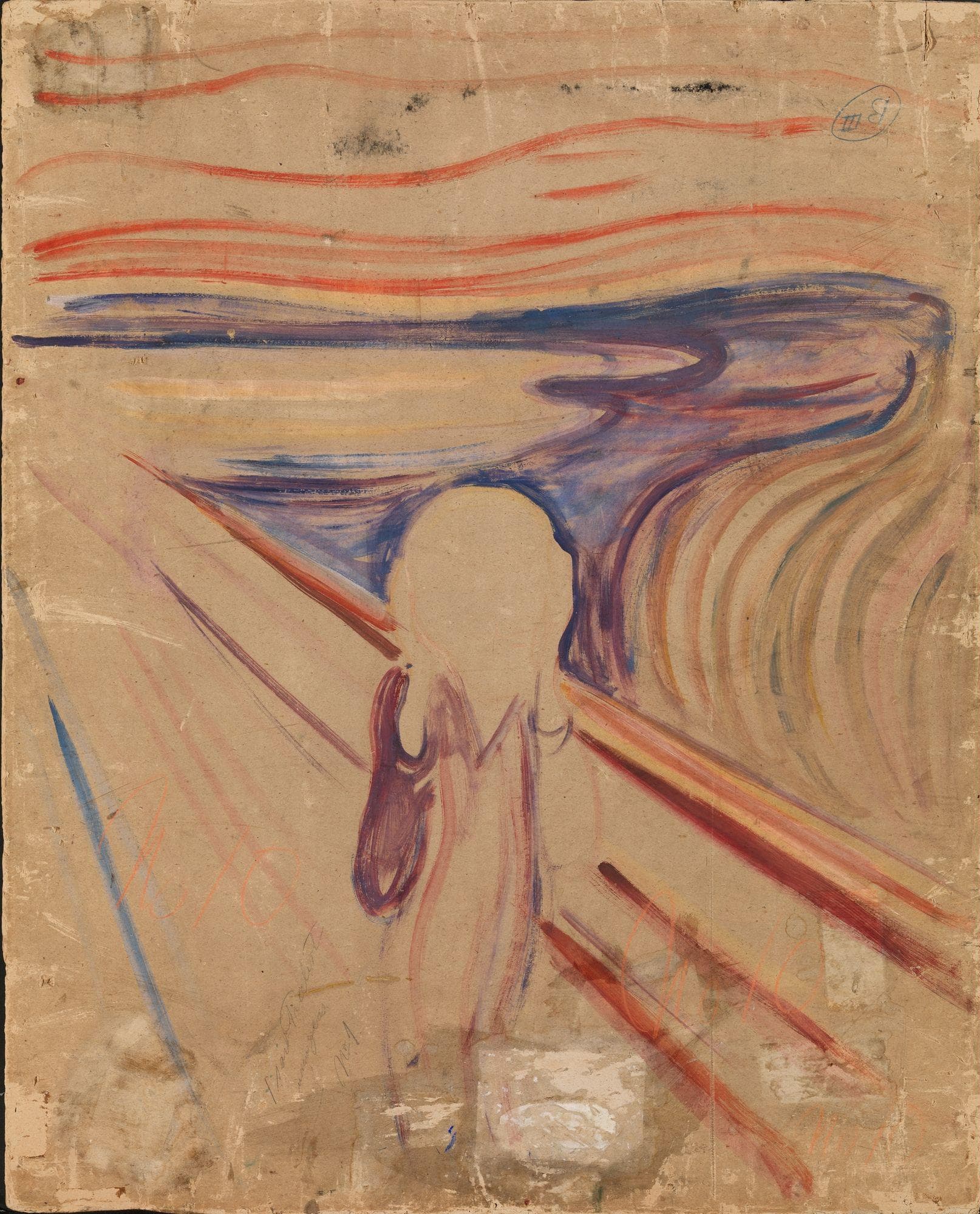
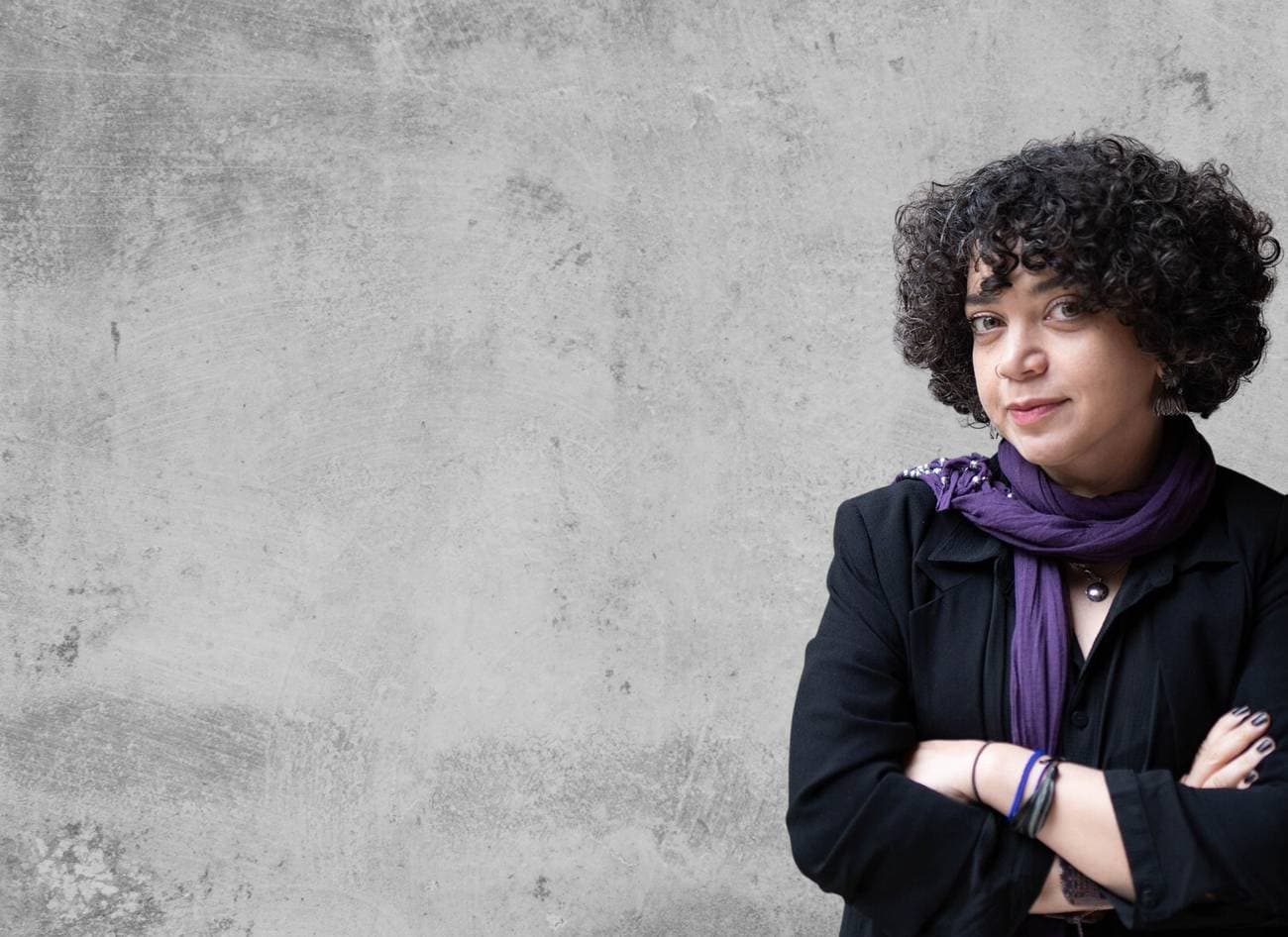
InterviewNearly four years after the killing of Mahsa Jina Amini triggered one of the largest uprisings in Iran since the establishment of the Islamic Republic, the political landscape has changed dramatically. State repression dismantled activist networks, imprisoned militants, and forced many activists into exile, while the military offensive carried out by Israel and the United States reshaped the political terrain. In this interview, Firoozeh Farvardin reflects on the place of feminism in a context marked by internal repression, war, and struggles over who speaks for the Iranian opposition.
In PerspectiveSince 2008, South Africa has witnessed repeated waves of xenophobic violence. In 2026, the citizen-led movement March and March intensified anti-migrant protests. Kennedy Manduna traces this crisis to deeper forces: sub-imperial blowback, far-right scapegoating, and the failure of African governments to address the root causes of migration.
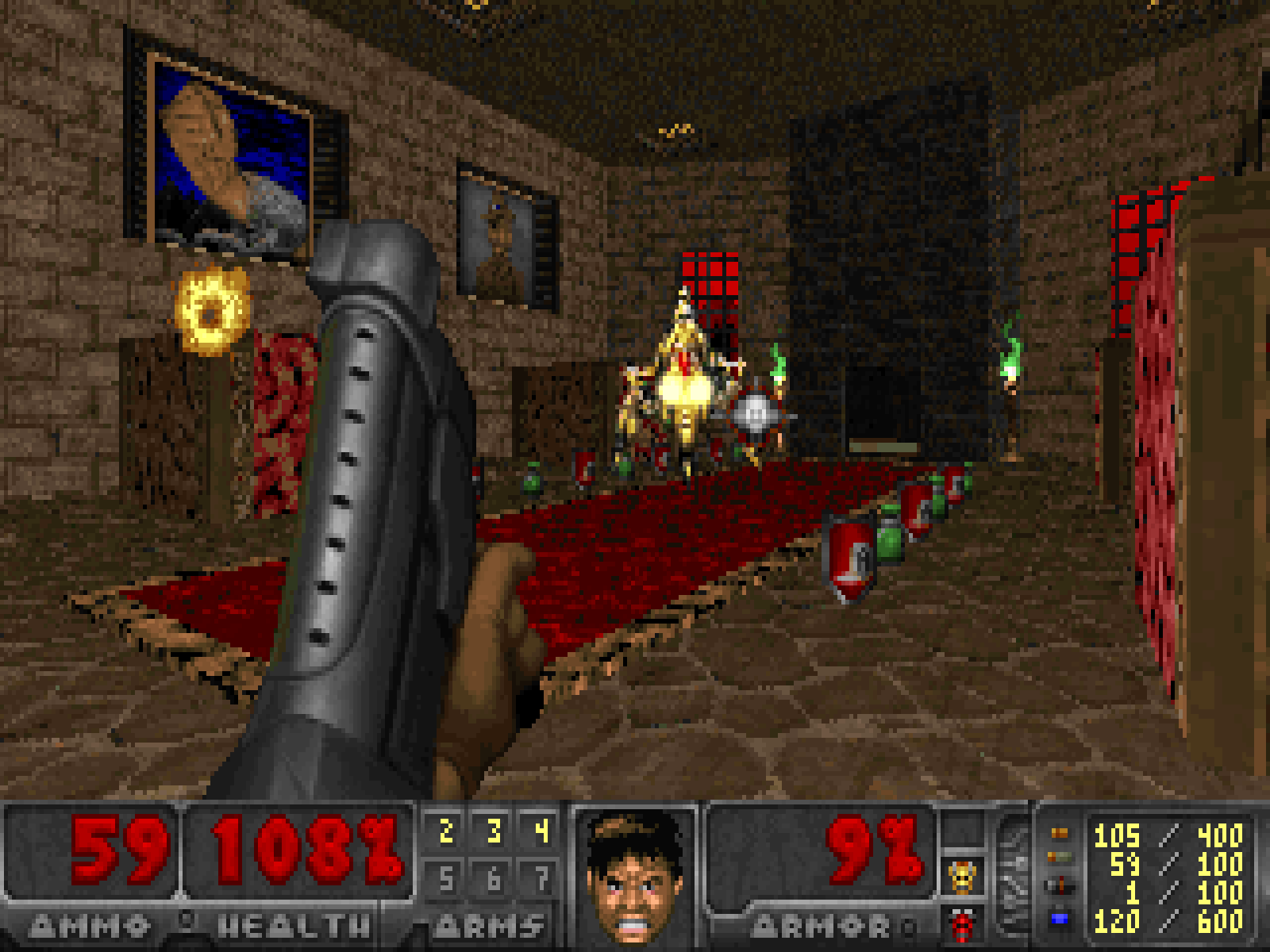
Theory & ResearchVideo games are often dismissed as entertainment, yet they have become a crucial arena where politics, technology, and the far right intersect. From GamerGate and Steve Bannon’s mobilisation of gaming communities to the gamification of online politics, game cultures have profoundly shaped today’s social media dynamics and reactionary movements. Enrico De Angelis explores in this article why games deserve far more attention and political and cultural significance, not only as the world’s largest entertainment industry.
InterviewIn their book "The Rest and the West: Capital and Power in a Multipolar World", political theorists Brett Neilson and Sandro Mezzadra offer a sweeping analysis of contemporary capitalism's shifting political geographies. As war and militarisation proliferate — from Ukraine to Gaza, Lebanon, Iran, Israel, and Venezuela — their framework offers a rare and timely lens for understanding the entanglement of capital, geopolitics, and violence.
Theory & Research
Neoliberalism has dismantled the social structures that offered
security and orientation to life. The far right successfully channels
the resulting fears and anxieties towards purist, social Darwinist fantasies. Politics of care stands as a defiant response to that. In
an era defined by uncertainty and precarity, care emerges as
survival, resistance, and imagination. Care is a counter-normative
project: sustaining and (re)generating social life while embracing
contradiction and resisting the demands for purity.
By Firoozeh Farvardin and Gustavo Robles