Fascism
Theory & ResearchVideo games are often dismissed as entertainment, yet they have become a crucial arena where politics, technology, and the far right intersect. From GamerGate and Steve Bannon’s mobilisation of gaming communities to the gamification of online politics, game cultures have profoundly shaped today’s social media dynamics and reactionary movements. Enrico De Angelis explores in this article why games deserve far more attention and political and cultural significance, not only as the world’s largest entertainment industry.
Şebnem Oğuz examines late fascism as a contemporary mode of crisis management, distinct not only from neoliberal authoritarianism and right-wing populism but also from classical fascism. How does capitalist crisis reorganize the state around war, racialized violence, and coercive accumulation? And what does this mean for anti-fascist struggle in Turkey?
By Melehat Kutun and Ali Yalçın Göymen
Theory & Research
The
current crisis is creating political conditions in which states are
losing their ability to manage internal societal contradictions. The consequences of the crisis of
neoliberalism, which has severed social bonds, have evolved into a
broader crisis that is causing modern societies to lose their social
cohesion, and their ability to politically organise to find adequate
responses to the crisis itself.
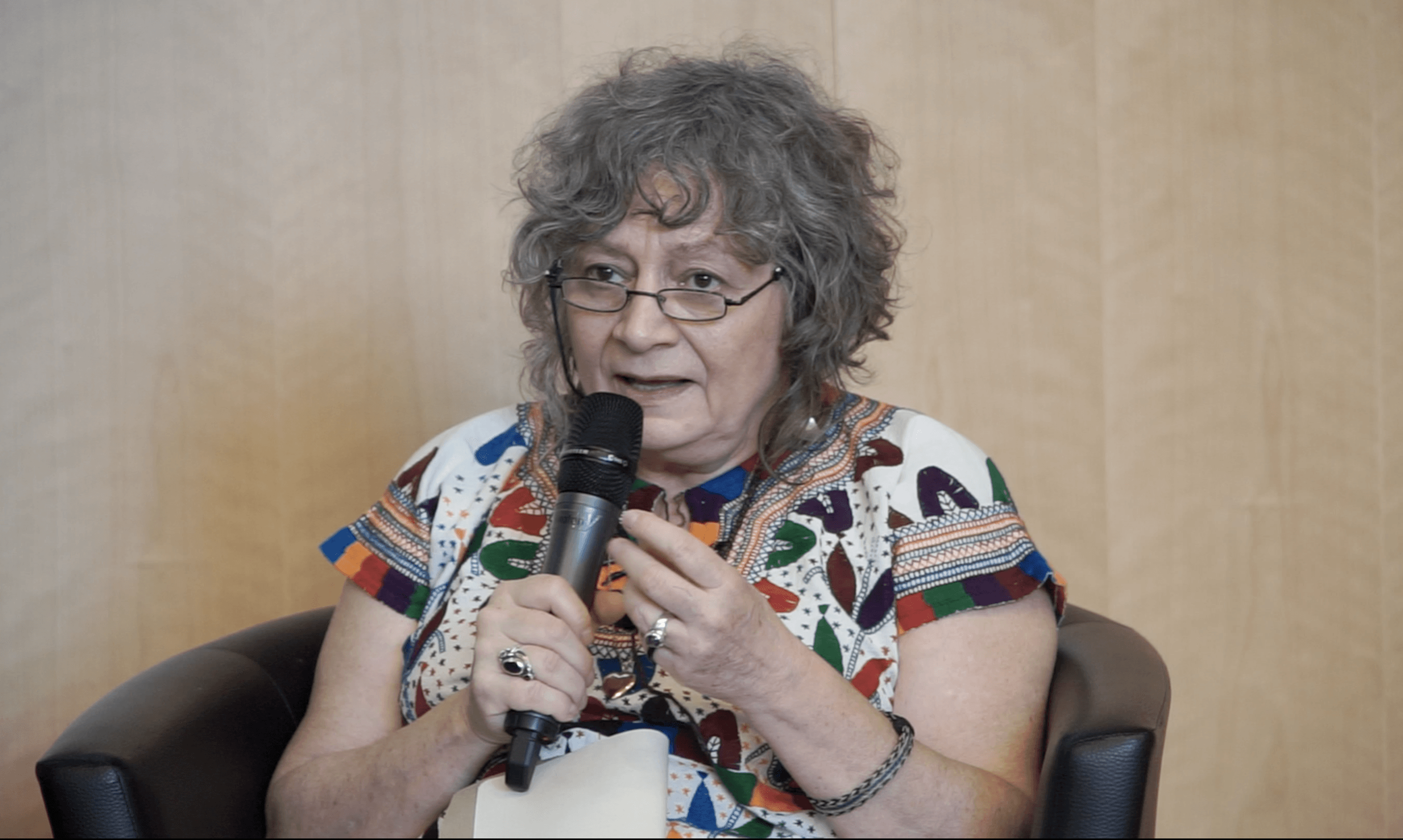
InterviewArgentinian feminist intellectual Rita Segato draws connections between the genocide in Gaza and the femicides she studied in Ciudad Juárez, and reflects about the current fascistic shift and how some of her key conceptualizations on coloniality, race, and violence, help us decipher it.
By Börries Nehe