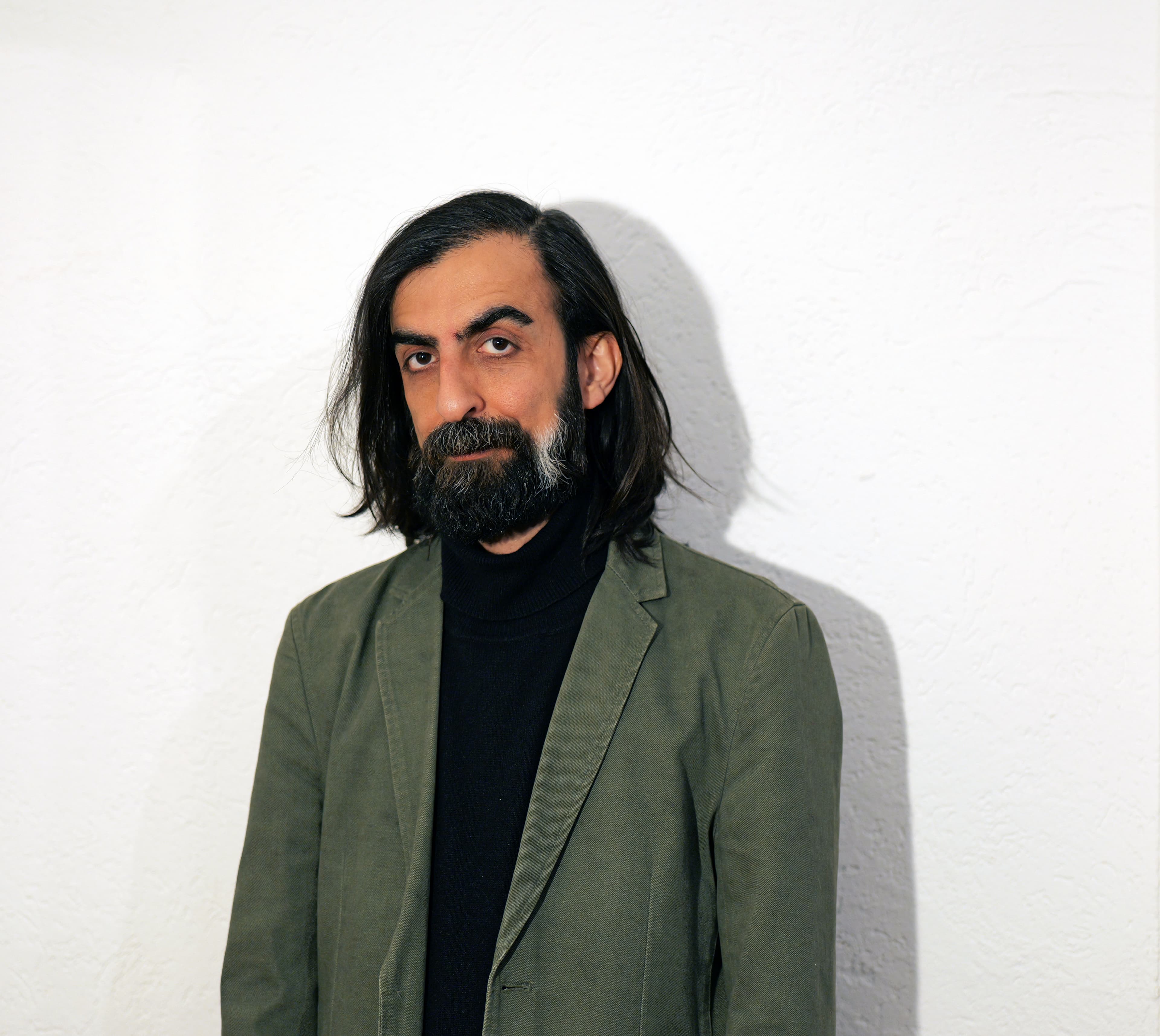
InterviewIran is going through dramatic times and tectonic shifts. In this interview, Nader Talebi reflects on the Islamic regime and its tensions between a neoliberal state project and a messianic Shia imaginary, and on the waves of uprisings against a regime that enforces gender apartheid and destroys the means of reproduction of life. Against this, Talebi insists on what connects the mobilizations of the last years — a politics of life, cross-ethnic solidarity, and a revolutionary tendency that makes any dictatorship hard to sustain.
WANA
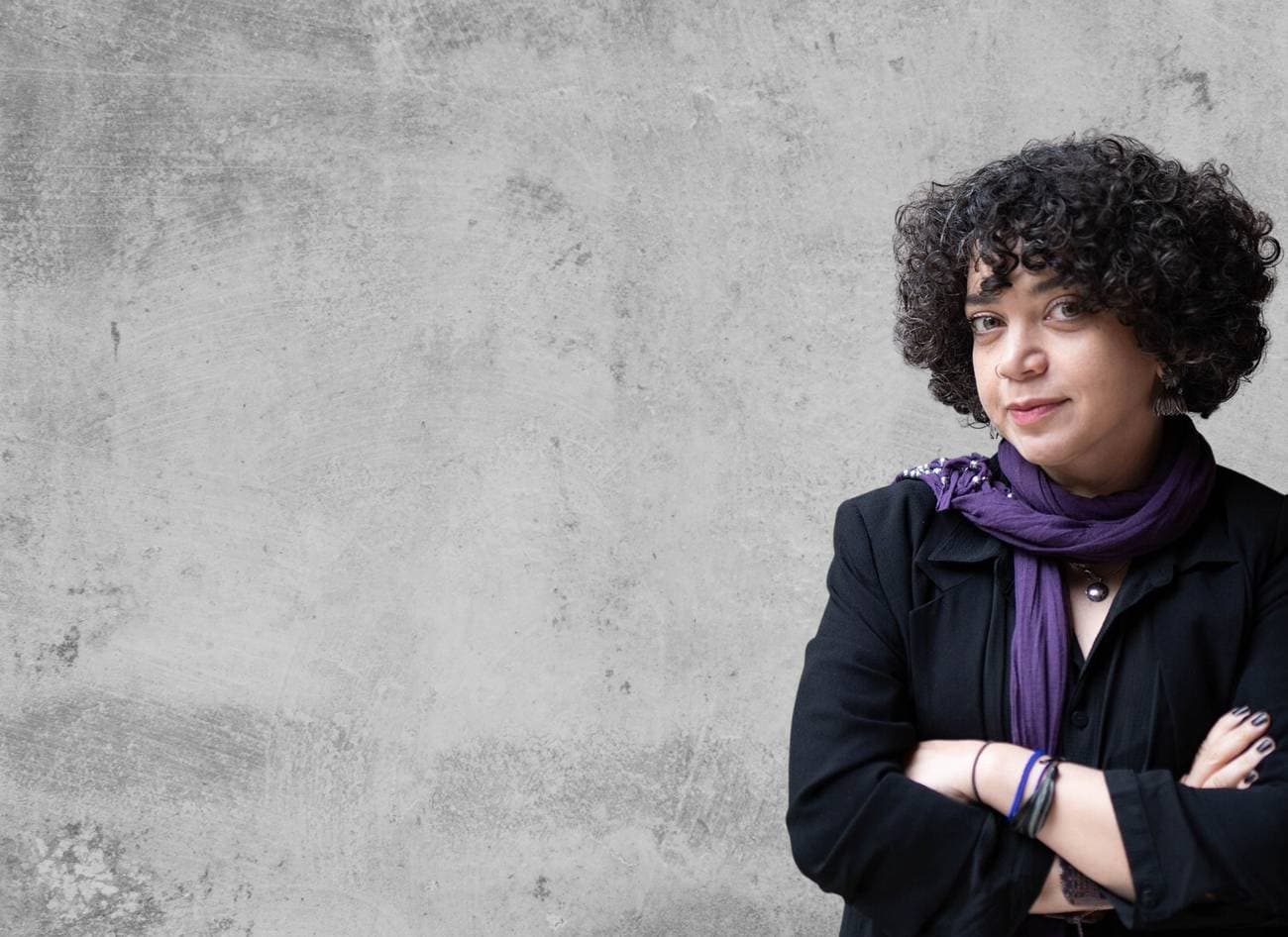
InterviewNearly four years after the killing of Mahsa Jina Amini triggered one of the largest uprisings in Iran since the establishment of the Islamic Republic, the political landscape has changed dramatically. State repression dismantled activist networks, imprisoned militants, and forced many activists into exile, while the military offensive carried out by Israel and the United States reshaped the political terrain. In this interview, Firoozeh Farvardin reflects on the place of feminism in a context marked by internal repression, war, and struggles over who speaks for the Iranian opposition.
Şebnem Oğuz examines late fascism as a contemporary mode of crisis management, distinct not only from neoliberal authoritarianism and right-wing populism but also from classical fascism. How does capitalist crisis reorganize the state around war, racialized violence, and coercive accumulation? And what does this mean for anti-fascist struggle in Turkey?
By Melehat Kutun and Ali Yalçın Göymen
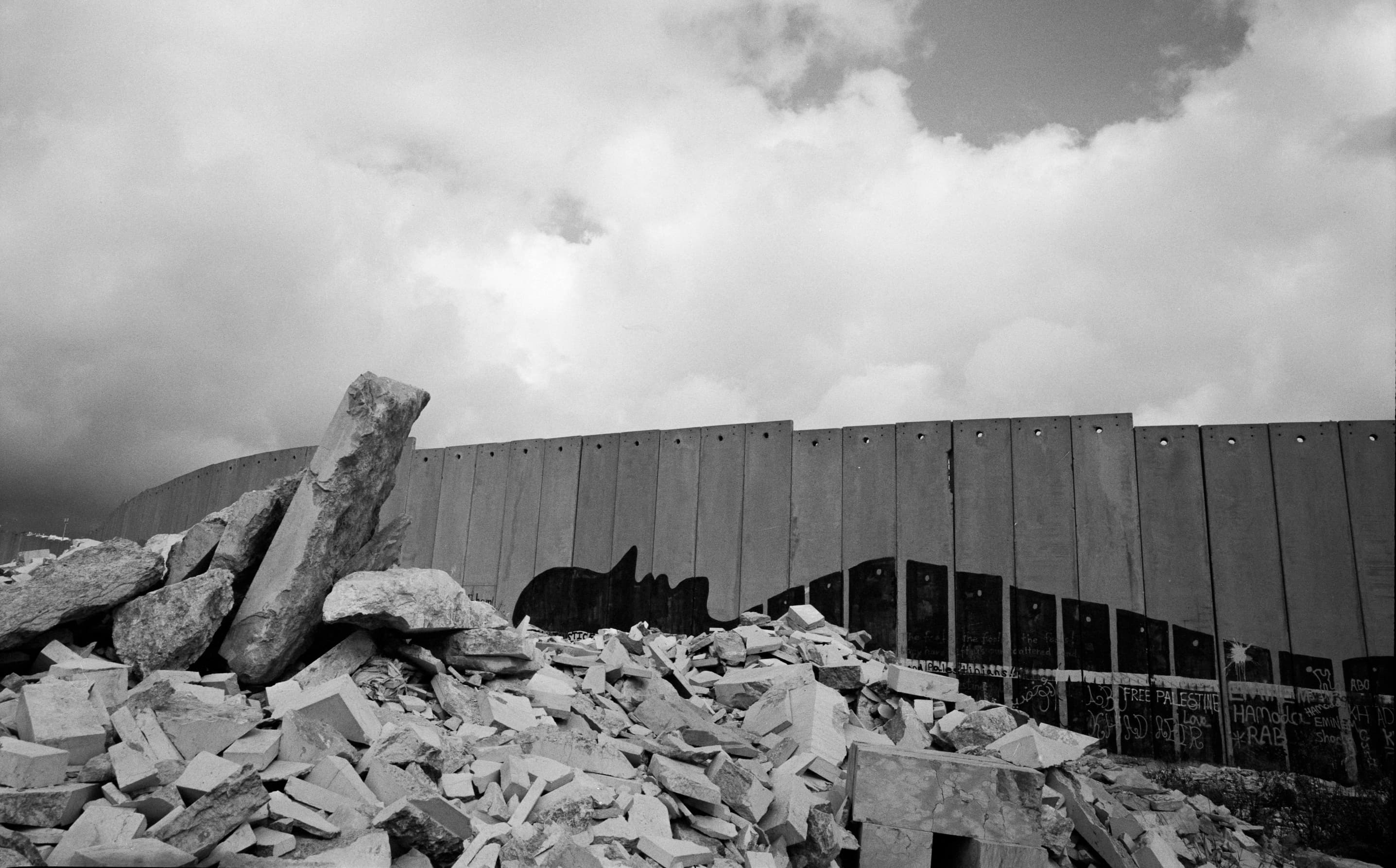
Theory & ResearchAll revolutions in modern times have something in common: they surprise and overwhelm. Yet we cannot endure the moment of revolution, which we perceive as chaos that must be tamed by order of conceptual rationality. The Woman-Life-Freedom revolutionary movement is no exception. How can we read and understand it without domesticating the revolution?