Neoliberalism
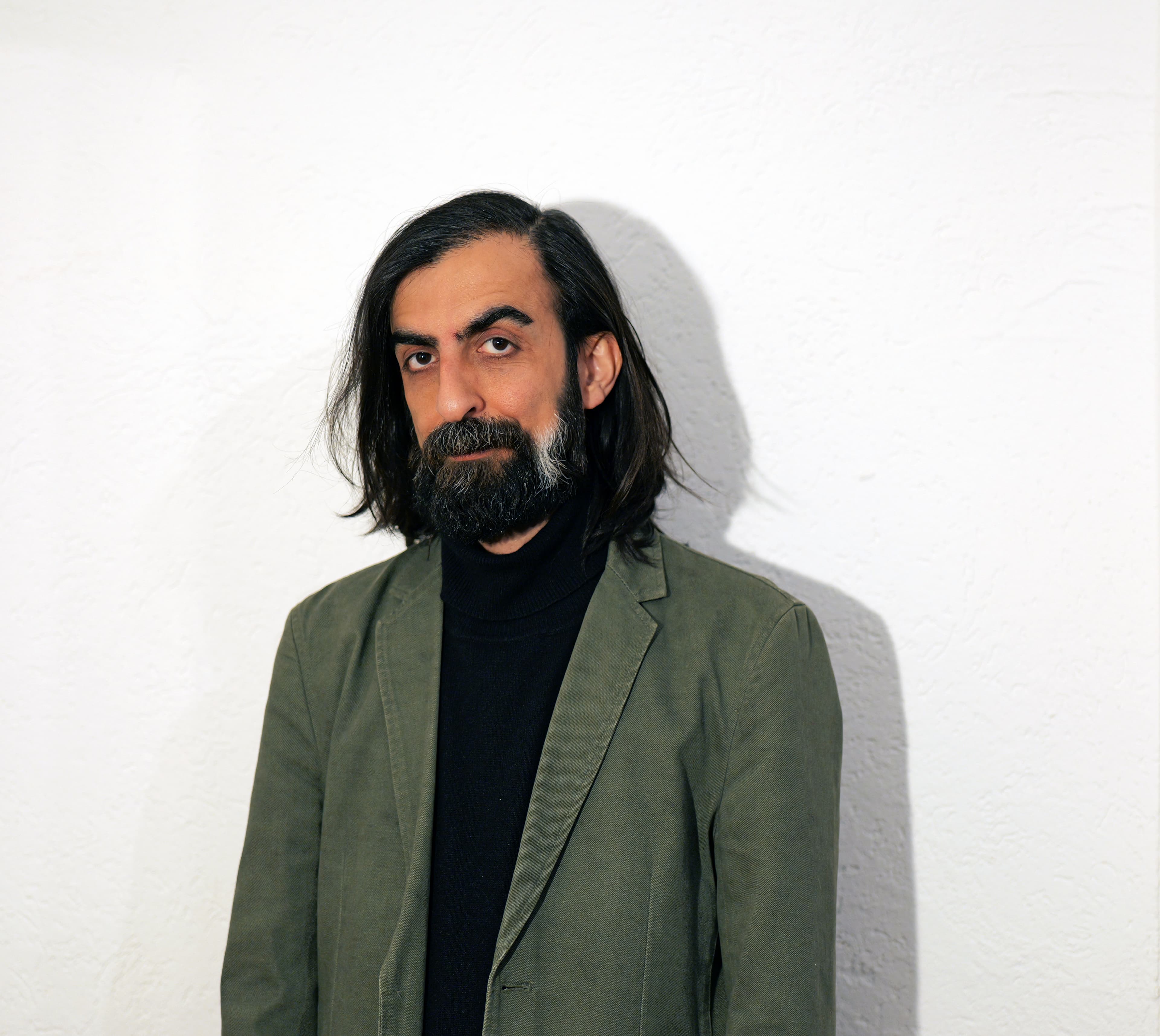
In PerspectiveSince 2008, South Africa has witnessed repeated waves of xenophobic violence. In 2026, the citizen-led movement March and March intensified anti-migrant protests. Kennedy Manduna traces this crisis to deeper forces: sub-imperial blowback, far-right scapegoating, and the failure of African governments to address the root causes of migration.

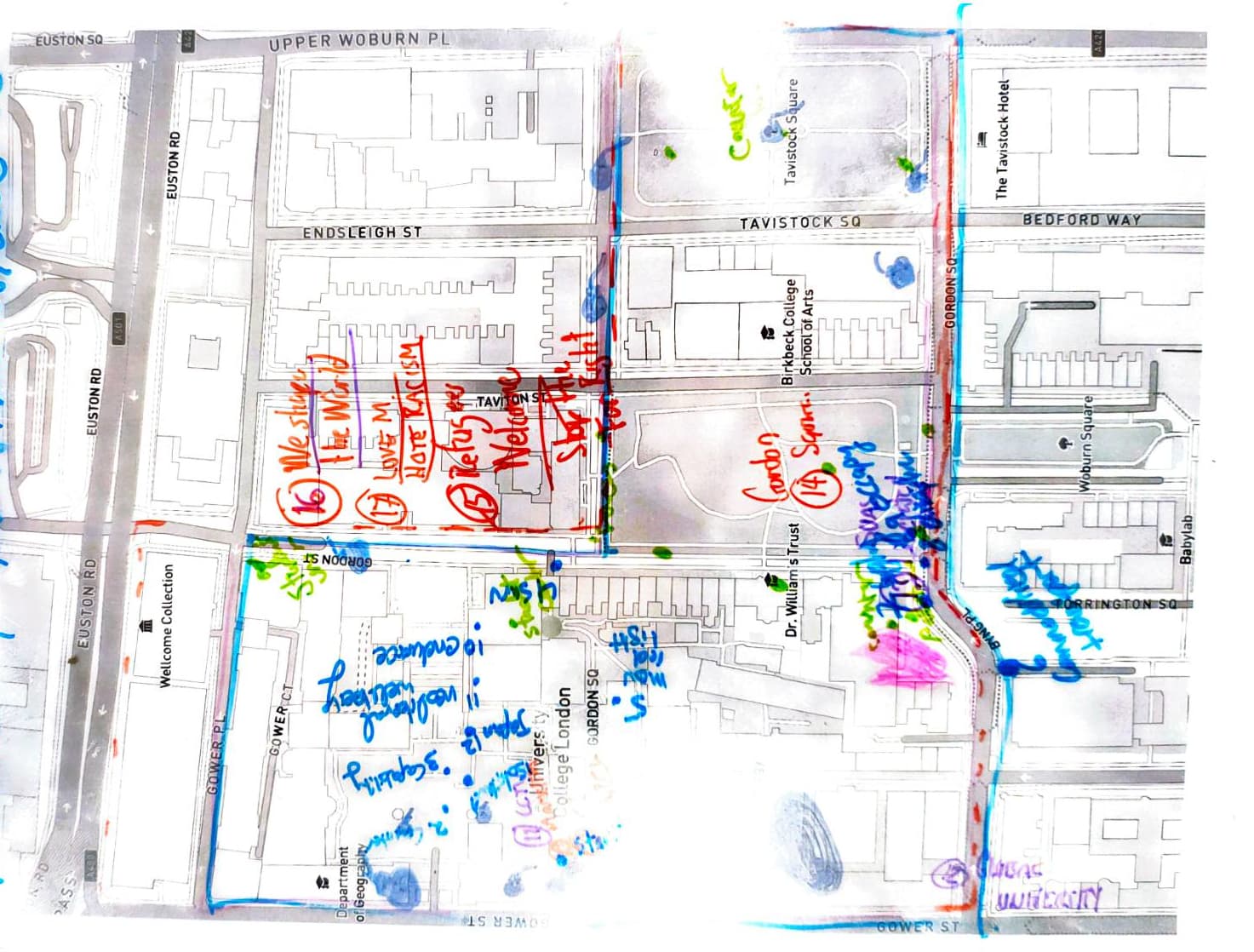
InterviewIn their book "The Rest and the West: Capital and Power in a Multipolar World", political theorists Brett Neilson and Sandro Mezzadra offer a sweeping analysis of contemporary capitalism's shifting political geographies. As war and militarisation proliferate — from Ukraine to Gaza, Lebanon, Iran, Israel, and Venezuela — their framework offers a rare and timely lens for understanding the entanglement of capital, geopolitics, and violence.
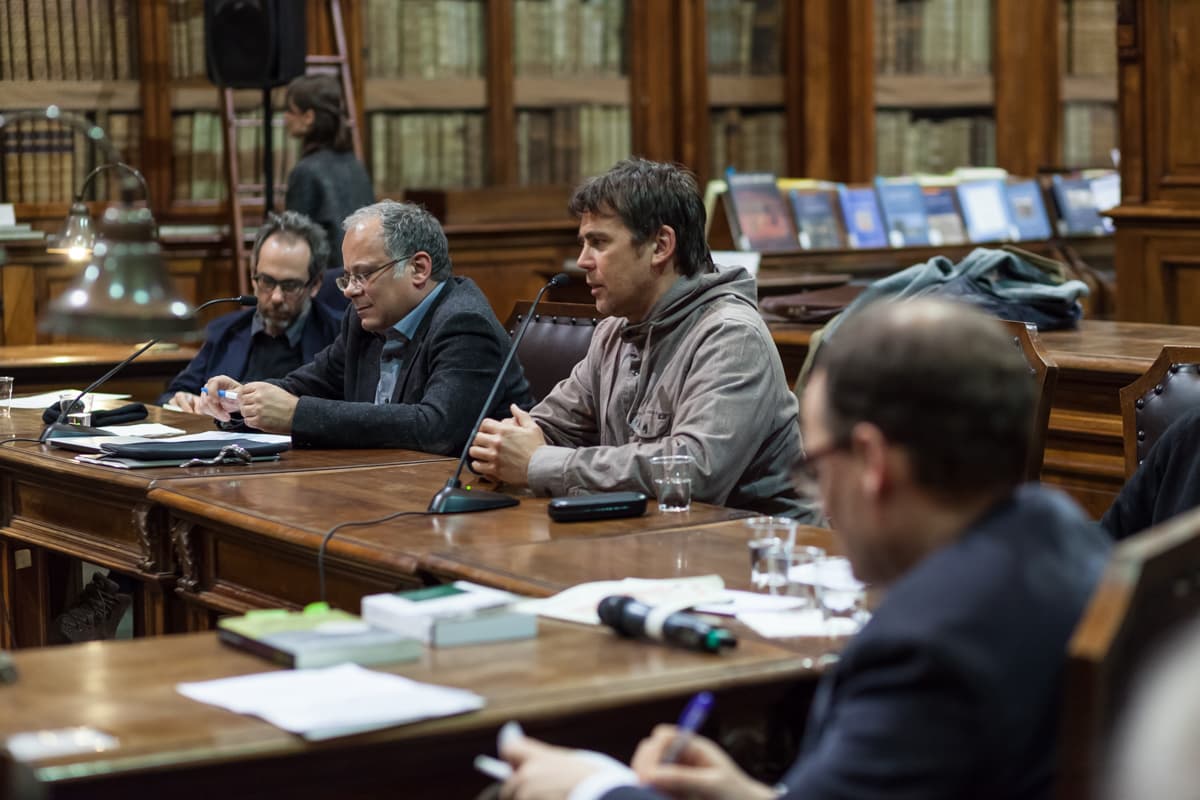
The Authoritariat: An Interview with Rosana Pinheiro-Machado on Work, Subjectivity and the Far-Right
InterviewAcross the Global South, platform work is transforming the labour market and the political imagination of the working class. In this interview, anthropologist Rosana Pinheiro-Machado discusses her concept of the "authoritariat" — segments of the platformised working class drawn to reactionary populism through a mix of precarity, aspiration and the desire for autonomy. Drawing on long-term ethnographic research in Brazil, India and the Philippines, she examines how digital entrepreneurship, coach influencers and the collapse of collective identities are reshaping the political subjectivities of our time.
By Ülker Sözen and Gustavo Robles
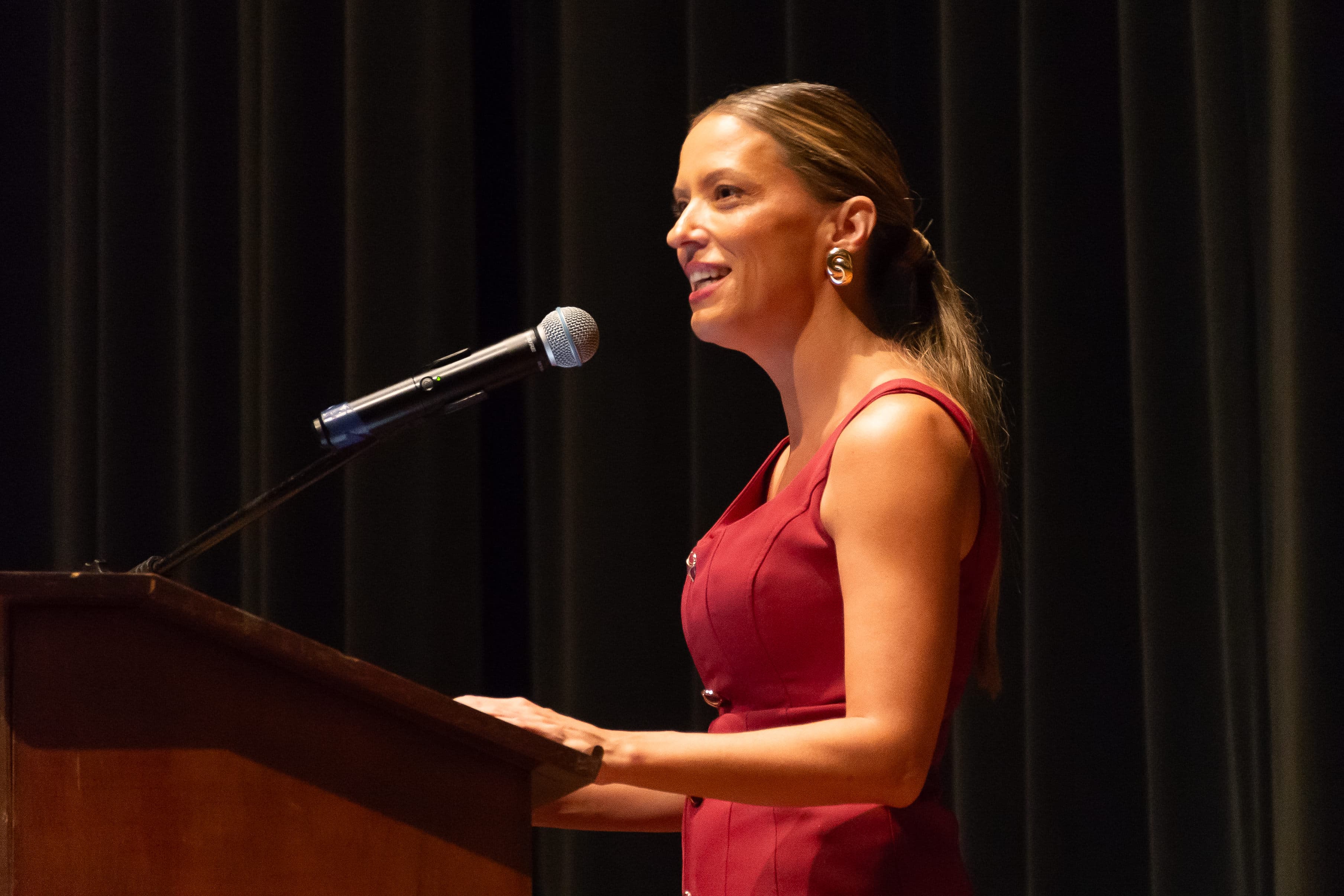
InterviewIran is going through dramatic times and tectonic shifts. In this interview, Nader Talebi reflects on the Islamic regime and its tensions between a neoliberal state project and a messianic Shia imaginary, and on the waves of uprisings against a regime that enforces gender apartheid and destroys the means of reproduction of life. Against this, Talebi insists on what connects the mobilizations of the last years — a politics of life, cross-ethnic solidarity, and a revolutionary tendency that makes any dictatorship hard to sustain.