Theory & Research
The
current crisis is creating political conditions in which states are
losing their ability to manage internal societal contradictions. The consequences of the crisis of
neoliberalism, which has severed social bonds, have evolved into a
broader crisis that is causing modern societies to lose their social
cohesion, and their ability to politically organise to find adequate
responses to the crisis itself.
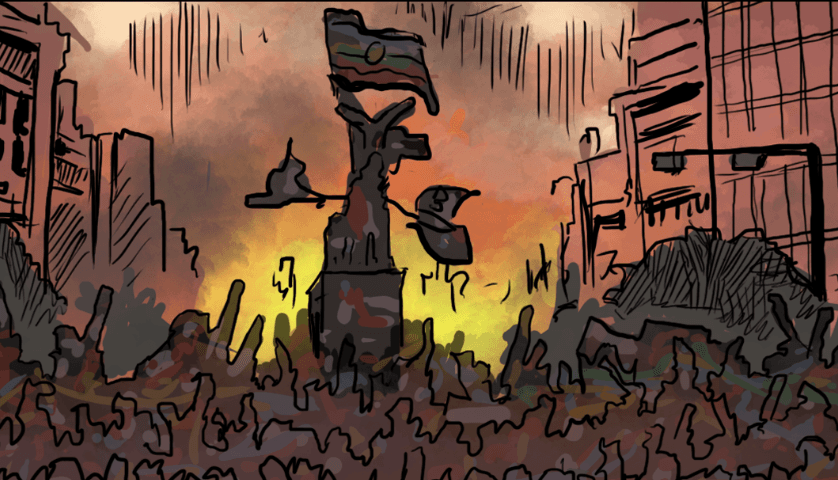
In PerspectiveIn just six years, Chile underwent a dramatic political reversal: from the 2019 uprising demanding progressive reforms and deeper democracy to the rise of far-right leader José Antonio Kast. This analysis traces how a moment of democratic possibility gave way to authoritarian nostalgia.

Interview
Melina Vázquez and Carolina Spataro explore a new type of right-wing
libertarian feminism, distinct not only from left-wing feminism but
also from classical liberal feminism and right-wing conservatism. Who
are these libertarian feminists and why do they think feminism has
more to do with Javier Milei than with socialism?

In PerspectiveInstitutions of culture and knowledge are facing an existential threat from an AI-powered assault. But interpretative entities such as universities, courts, and digital platforms are not only tools of domination, but also key terrains of struggle. As algorithmic bombardment threatens to disintegrate the common sense, we have to expand the commons of sense.

In Perspective
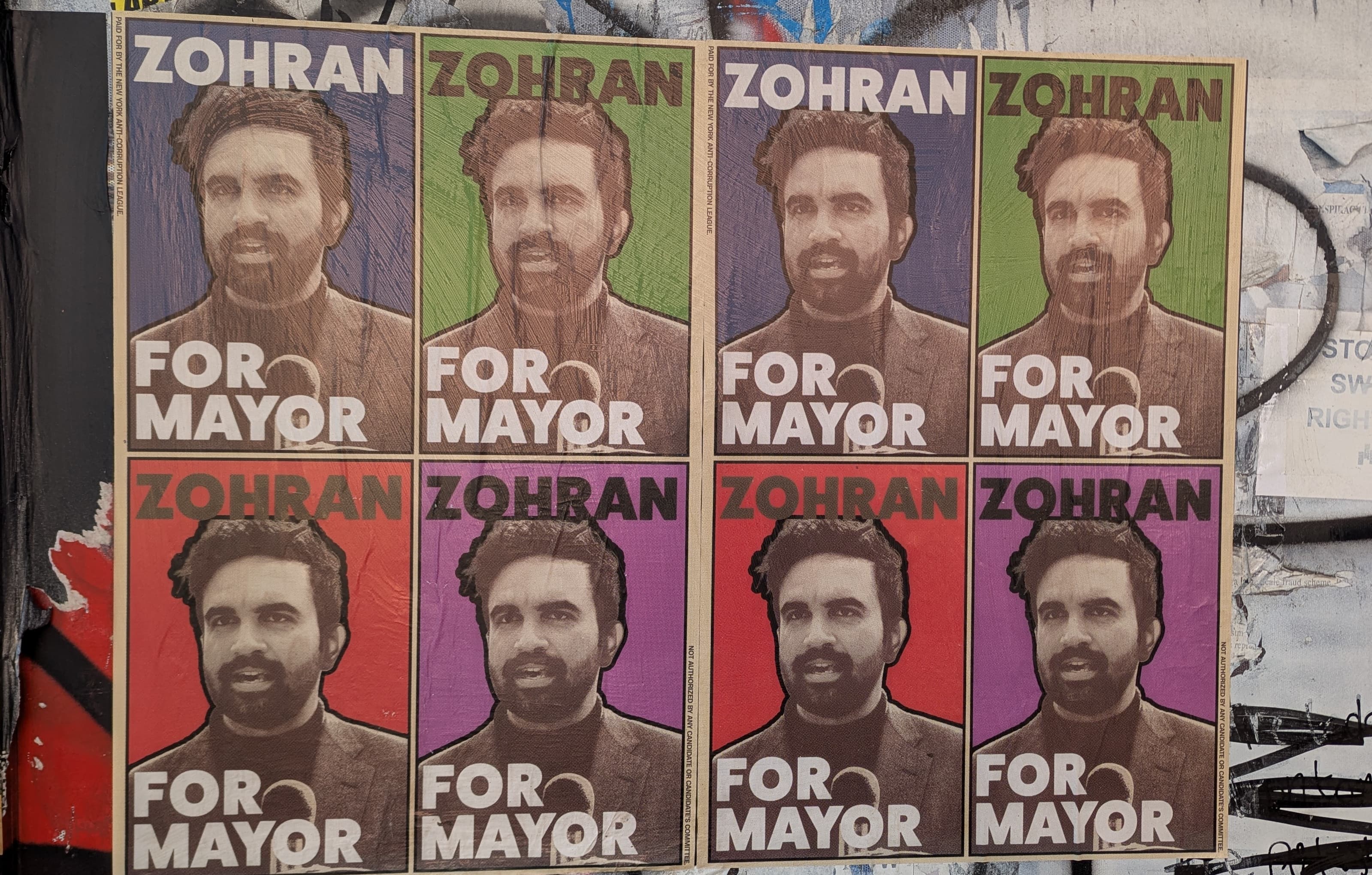
In
a time when authoritarianism is globalized, leftist victories
also have a spillover effect that inspires counter-strategies in
different geographies. In this article, Özge Yaka draws some lessons from the Mamdani campaign and points to challenges for socialists around the globe.
By Özge Yaka
Theory & Research
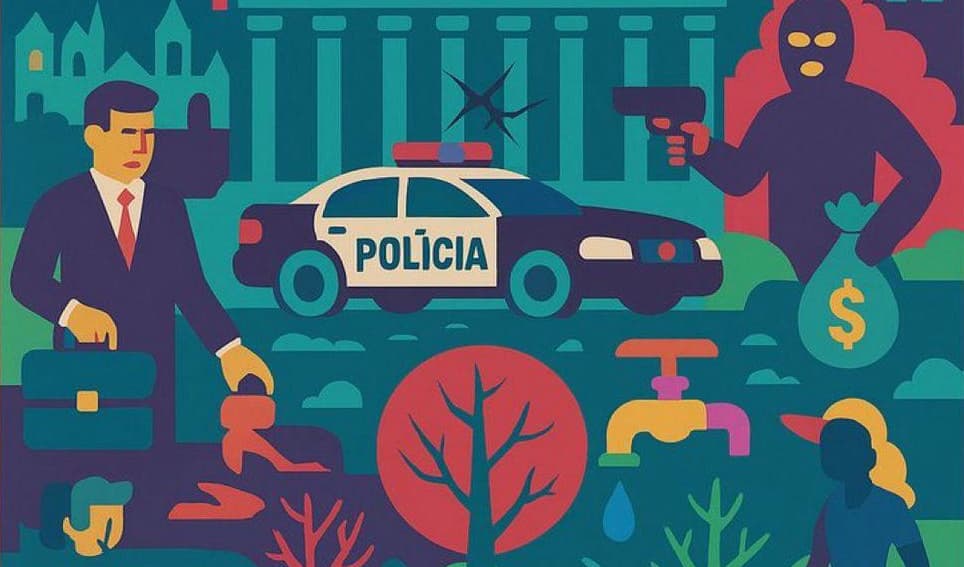
How is “progress” understood in this
territory? For whom is it intended? How has Bolivian society,
particularly in Santa Cruz, been transformed in recent decades? Why
speak of authoritarianism? Seeking collective answers to these
questions—and opening the door to new ones—we met in July at a
roundtable during the Congress of the Association of Bolivian Studies
(AEB). This text summarises the reflections that emerged and presents
a set of ongoing research projects.