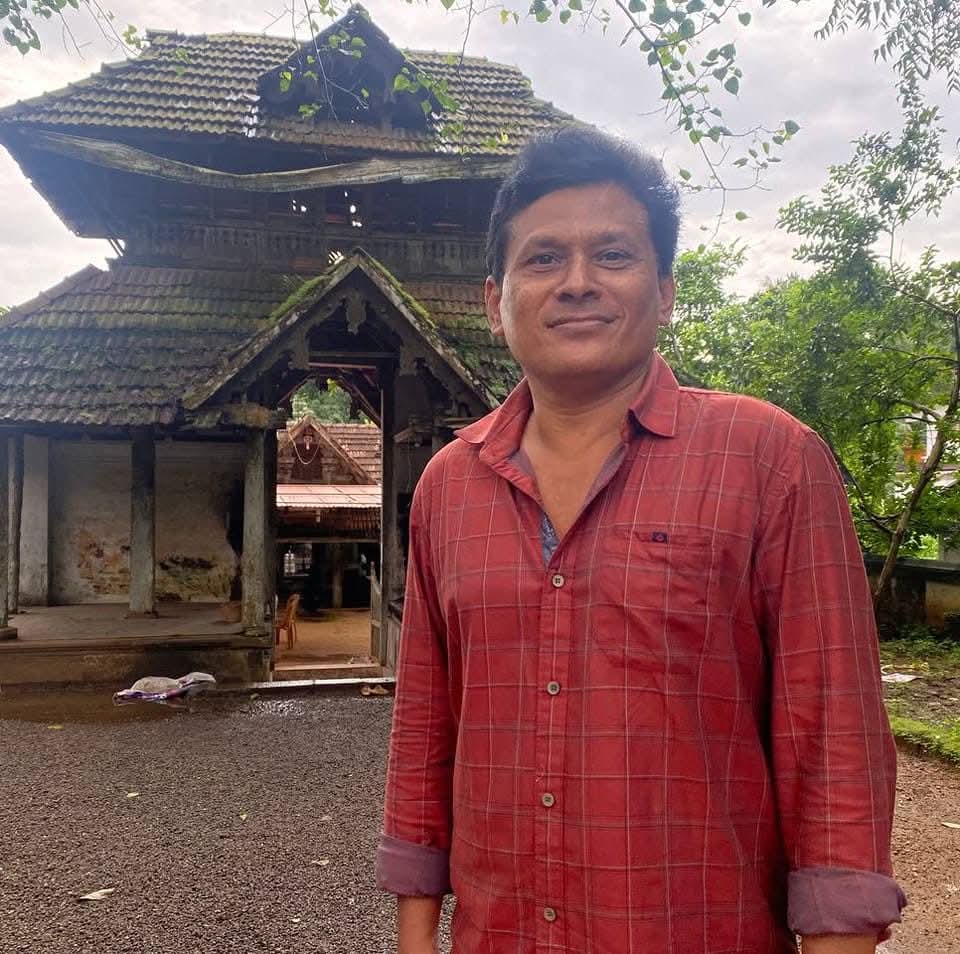
InterviewBansree AS is a rationalist and content creator whose YouTube channel aims to make non hegemonic intellectual discourses accessible to the general public. In this interview he discusses how digital platforms owned by big technology companies accentuate the visibility of certain narratives while casting other voices to obscurity, reflects on anti-caste politics and the difficulty to build a space for non hegemonic ideas within the public sphere.
Interview
The Authoritariat: An Interview with Rosana Pinheiro-Machado on Work, Subjectivity and the Far-Right
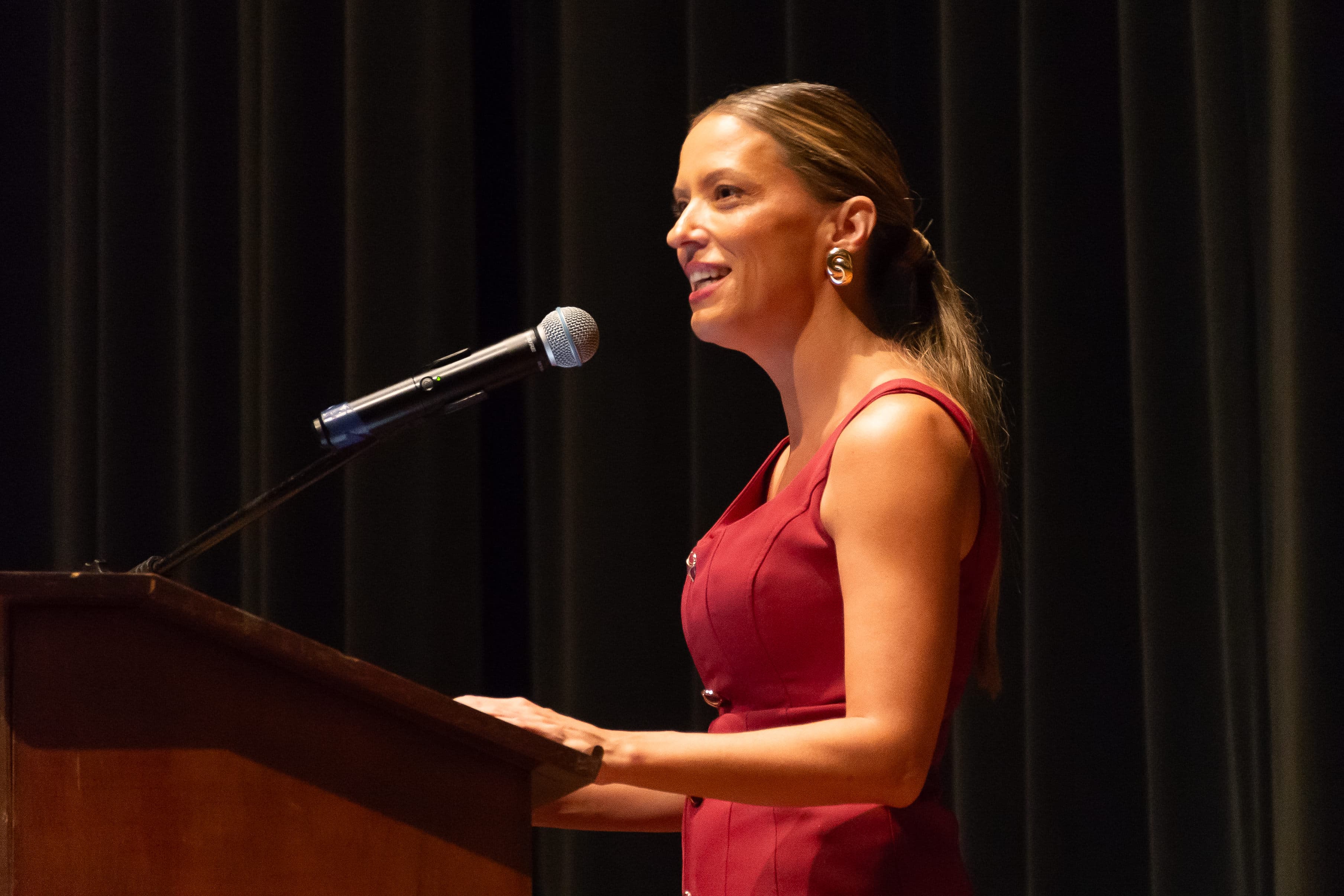
InterviewAcross the Global South, platform work is transforming the labour market and the political imagination of the working class. In this interview, anthropologist Rosana Pinheiro-Machado discusses her concept of the "authoritariat" — segments of the platformised working class drawn to reactionary populism through a mix of precarity, aspiration and the desire for autonomy. Drawing on long-term ethnographic research in Brazil, India and the Philippines, she examines how digital entrepreneurship, coach influencers and the collapse of collective identities are reshaping the political subjectivities of our time.
By Ülker Sözen and Gustavo Robles
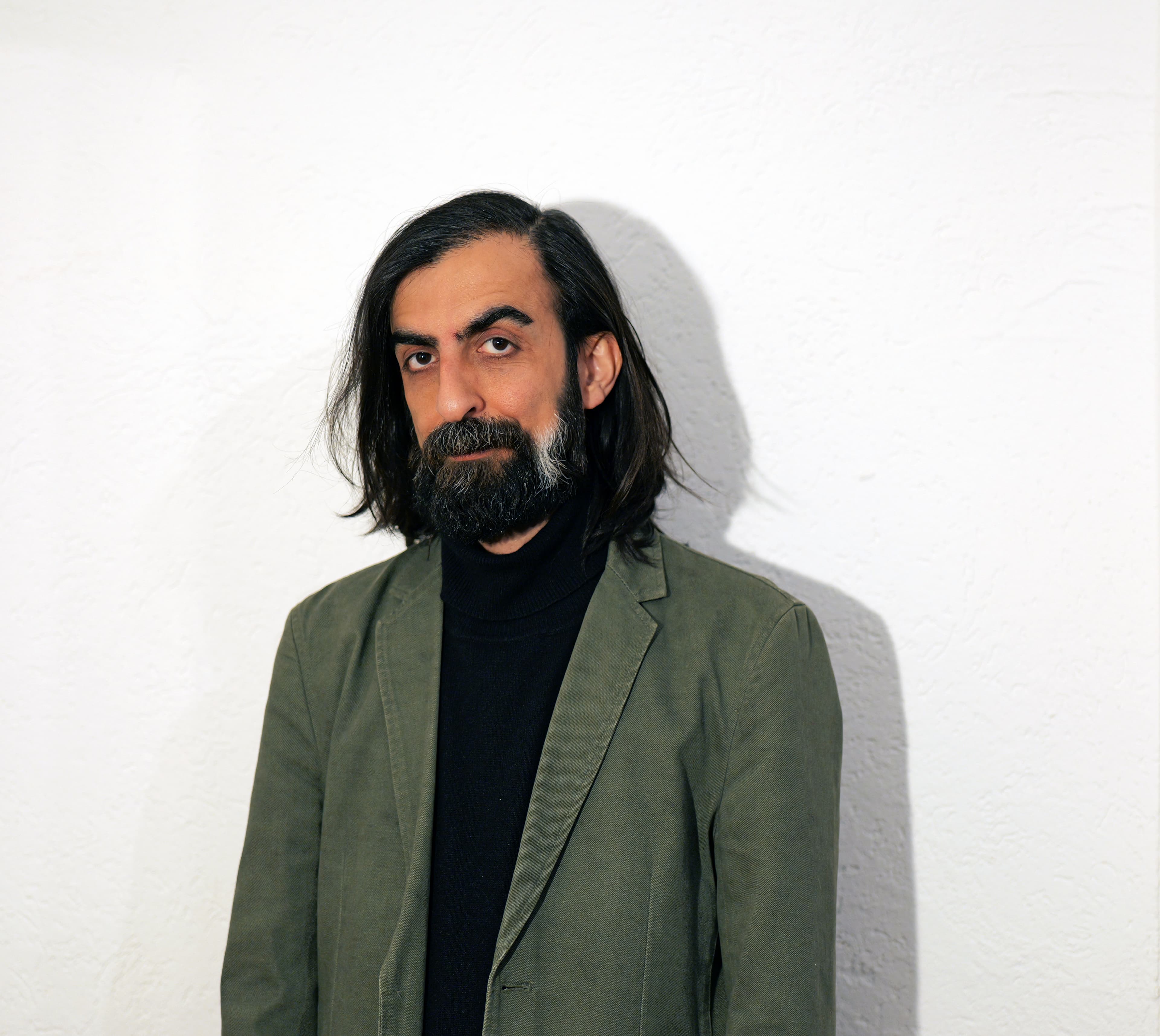
InterviewIran is going through dramatic times and tectonic shifts. In this interview, Nader Talebi reflects on the Islamic regime and its tensions between a neoliberal state project and a messianic Shia imaginary, and on the waves of uprisings against a regime that enforces gender apartheid and destroys the means of reproduction of life. Against this, Talebi insists on what connects the mobilizations of the last years — a politics of life, cross-ethnic solidarity, and a revolutionary tendency that makes any dictatorship hard to sustain.
Interview
Melina Vázquez and Carolina Spataro explore a new type of right-wing
libertarian feminism, distinct not only from left-wing feminism but
also from classical liberal feminism and right-wing conservatism. Who
are these libertarian feminists and why do they think feminism has
more to do with Javier Milei than with socialism?

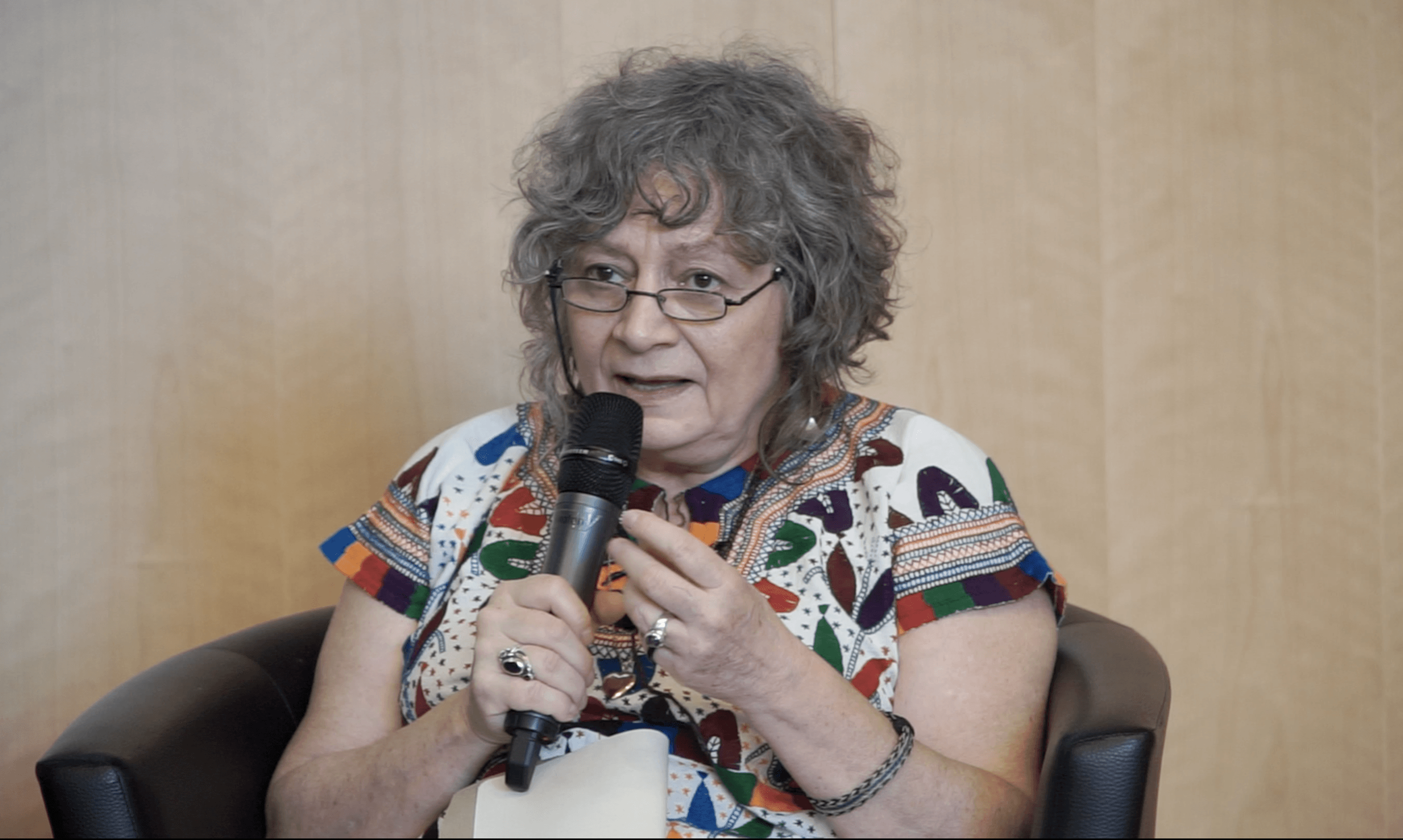
InterviewArgentinian feminist intellectual Rita Segato draws connections between the genocide in Gaza and the femicides she studied in Ciudad Juárez, and reflects about the current fascistic shift and how some of her key conceptualizations on coloniality, race, and violence, help us decipher it.
By Börries Nehe