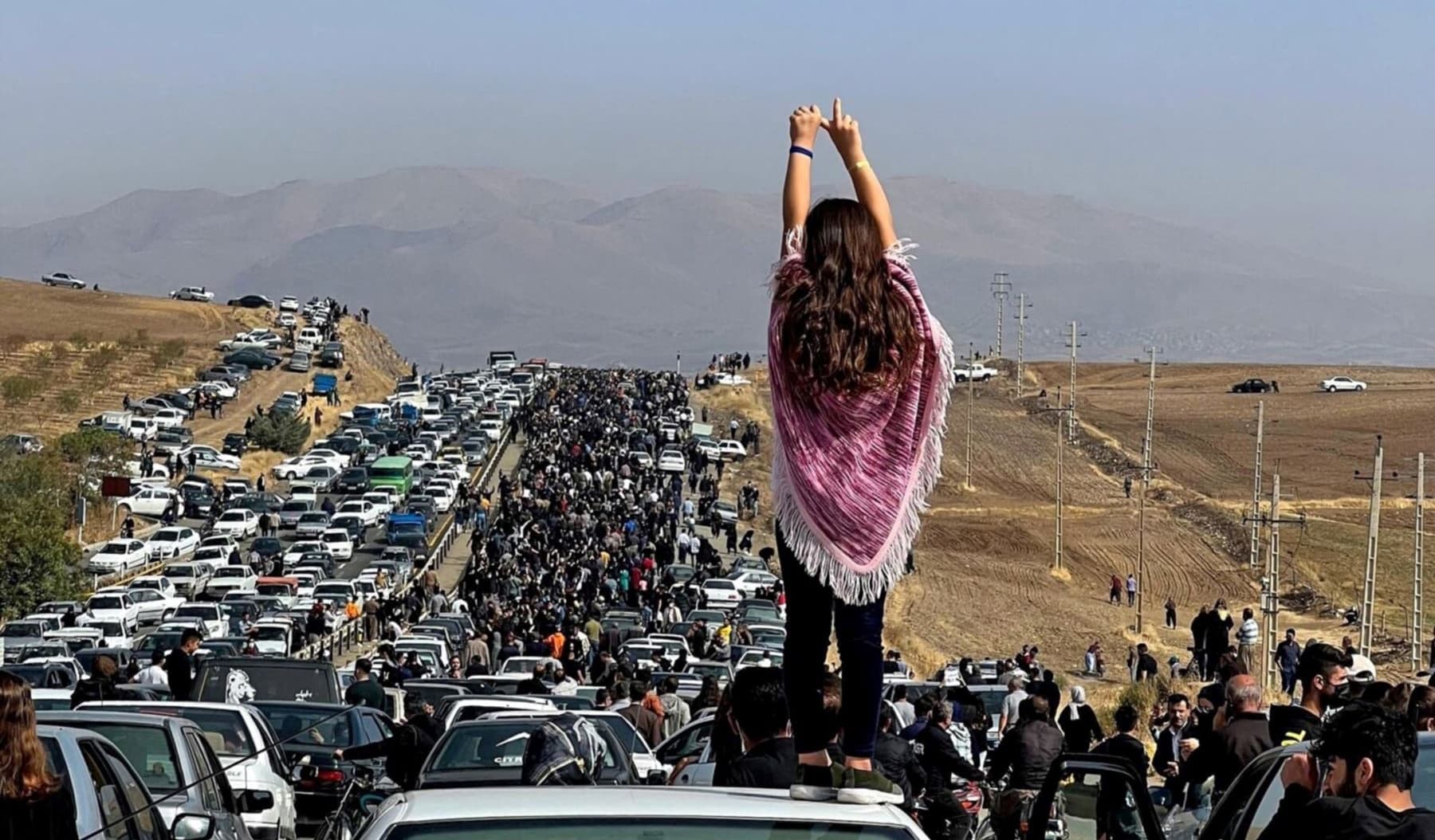
Theory & ResearchThe revolution in Iran can be framed as a feminist revolution also because of its form of resistance. The feminist performative/figurative dimension of the revolution, as an anonymous feminist writer and protester from Iran elaborates, is “the distinguishing feature” of the revolutionary movement that we are witnessing
Times Of Collapse
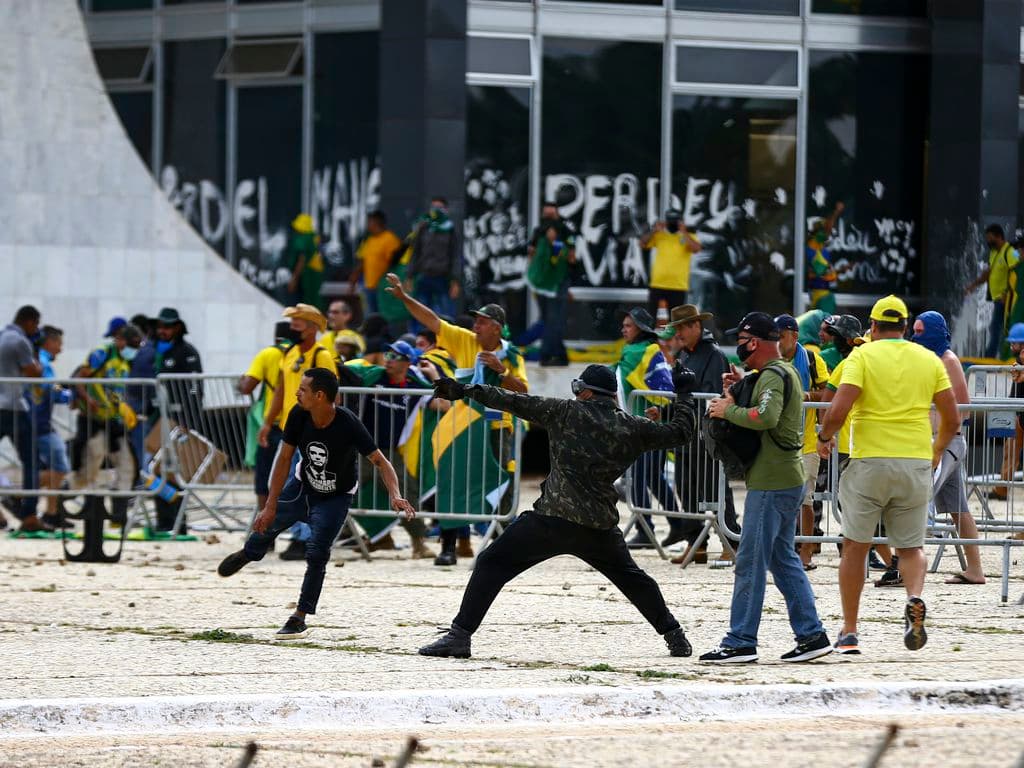
The Authoritariat: An Interview with Rosana Pinheiro-Machado on Work, Subjectivity and the Far-Right
InterviewAcross the Global South, platform work is transforming the labour market and the political imagination of the working class. In this interview, anthropologist Rosana Pinheiro-Machado discusses her concept of the "authoritariat" — segments of the platformised working class drawn to reactionary populism through a mix of precarity, aspiration and the desire for autonomy. Drawing on long-term ethnographic research in Brazil, India and the Philippines, she examines how digital entrepreneurship, coach influencers and the collapse of collective identities are reshaping the political subjectivities of our time.
By Ülker Sözen and Gustavo Robles
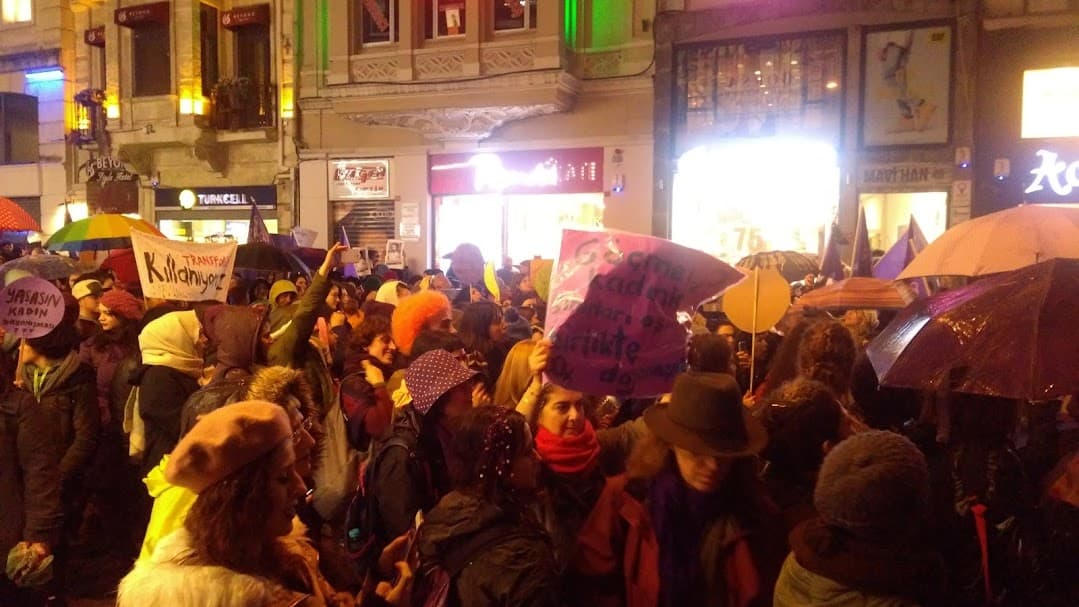
Theory & ResearchThis essay intends to shed light on the emotional life of activists and dissident publics in contemporary Turkey along with producing insights to cultivate a coping perspective against the persistence of authoritarianism and the social polarization that it breeds, which poses a critical challenge to counter-hegemonic projects
By Ülker Sözen
Theory & ResearchRabies is a virus produced in mammals, transmitted by salivary contact, but in Spanish the word rabia is often used to connote anger, irritation, hatred, ill will, and desire for revenge. This rage often leads to negative practices such as the annihilation of others. However, it is also true that on other occasions it can generate positive practices such as the fight for dignity and life

Theory & ResearchThe use of penal policies as a form of social control in authoritarian neoliberalism and a deep culture of violence were both already part of the political landscape and the punitive imaginary in Brazil. Thus, Bolsonarism met a landscape that was ripe for a much more radical project of neoliberal punitivism