In PerspectiveSince
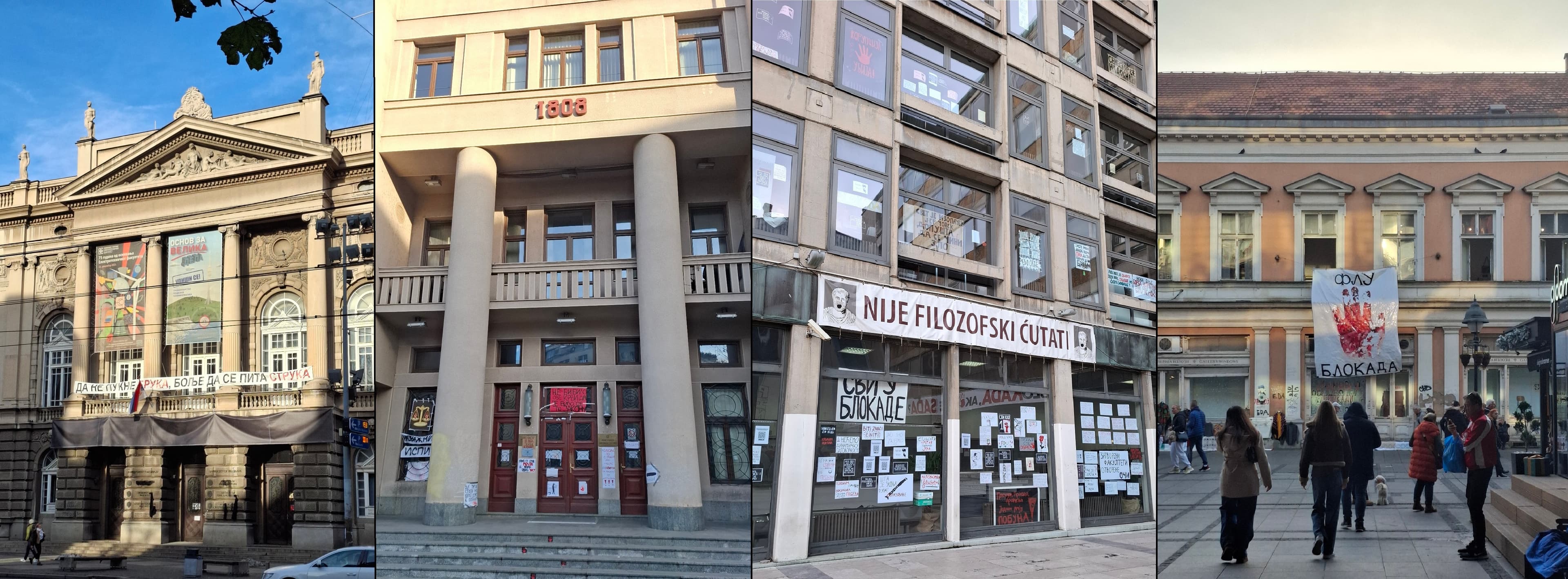
late 2024, events in Serbia have been unfolding at breakneck speed. Each new protest action and the
government’s reaction have revealed another layer
of corruption at the heart of the government, while the movement's strength has been growing. Since mid-August, the Vučić government is increasingly relying on brute force
against unarmed protesters. What has happened so far? What comes next?

In PerspectiveThe new volume from IRGAC and kollektiv orangotango brings together more than 50 first-hand accounts of anti-authoritarian movements, activists, artists, and scholars from around the world, focusing on the sensuous and emotional dimension of their strategies
By Börries Nehe and Aurel Eschmann

In PerspectiveThe explosive growth of social media self-help culture promises quick solutions to intimate crises, from restoring “feminine energy” to reclaiming “masculine power.” Yet beneath its language of empowerment lies a deeper political logic. As neoliberal societies produce a growing “care deficit,” self-help influencers transform insecurity into a market while promoting survivalist individualism, gender essentialism, and authoritarian fantasies of control that increasingly echo the moral agendas of contemporary far-right politics.
By Ülker Sözen

Interview
Melina Vázquez and Carolina Spataro explore a new type of right-wing
libertarian feminism, distinct not only from left-wing feminism but
also from classical liberal feminism and right-wing conservatism. Who
are these libertarian feminists and why do they think feminism has
more to do with Javier Milei than with socialism?

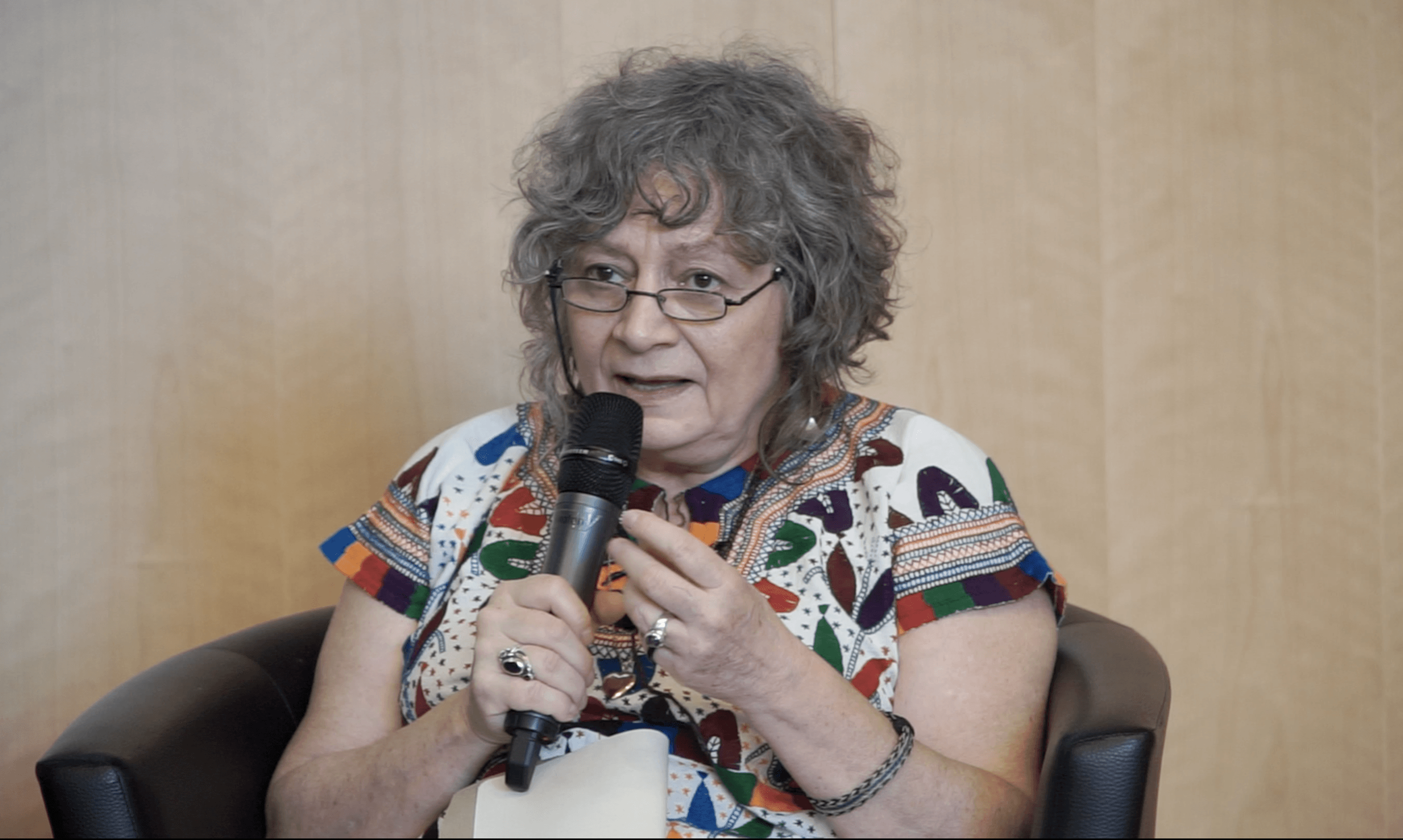
InterviewArgentinian feminist intellectual Rita Segato draws connections between the genocide in Gaza and the femicides she studied in Ciudad Juárez, and reflects about the current fascistic shift and how some of her key conceptualizations on coloniality, race, and violence, help us decipher it.
By Börries Nehe
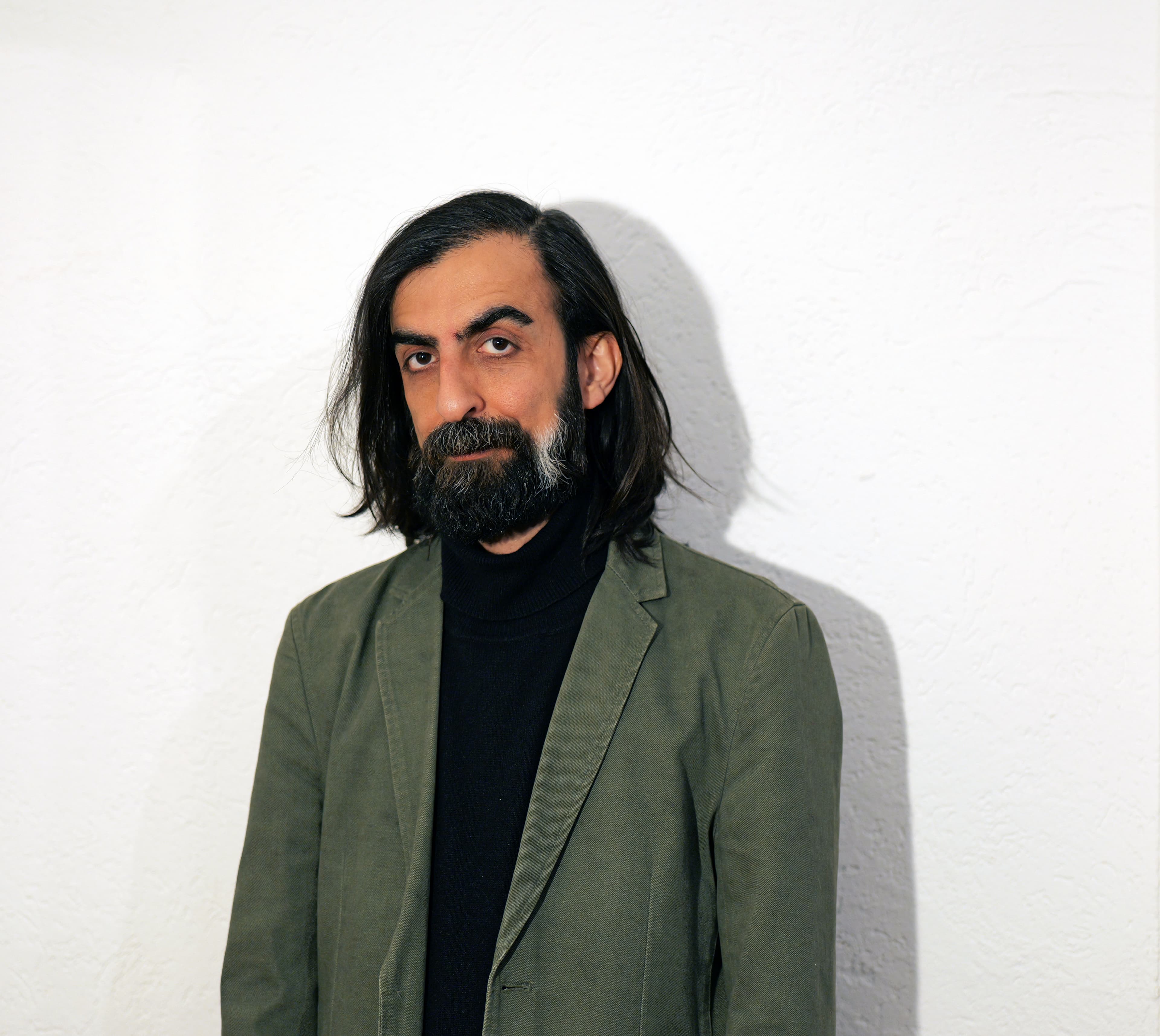
InterviewIran is going through dramatic times and tectonic shifts. In this interview, Nader Talebi reflects on the Islamic regime and its tensions between a neoliberal state project and a messianic Shia imaginary, and on the waves of uprisings against a regime that enforces gender apartheid and destroys the means of reproduction of life. Against this, Talebi insists on what connects the mobilizations of the last years — a politics of life, cross-ethnic solidarity, and a revolutionary tendency that makes any dictatorship hard to sustain.
In PerspectiveThe explosive growth of social media self-help culture promises quick solutions to intimate crises, from restoring “feminine energy” to reclaiming “masculine power.” Yet beneath its language of empowerment lies a deeper political logic. As neoliberal societies produce a growing “care deficit,” self-help influencers transform insecurity into a market while promoting survivalist individualism, gender essentialism, and authoritarian fantasies of control that increasingly echo the moral agendas of contemporary far-right politics.
By Ülker Sözen
Şebnem Oğuz examines late fascism as a contemporary mode of crisis management, distinct not only from neoliberal authoritarianism and right-wing populism but also from classical fascism. How does capitalist crisis reorganize the state around war, racialized violence, and coercive accumulation? And what does this mean for anti-fascist struggle in Turkey?
By Melehat Kutun and Ali Yalçın Göymen
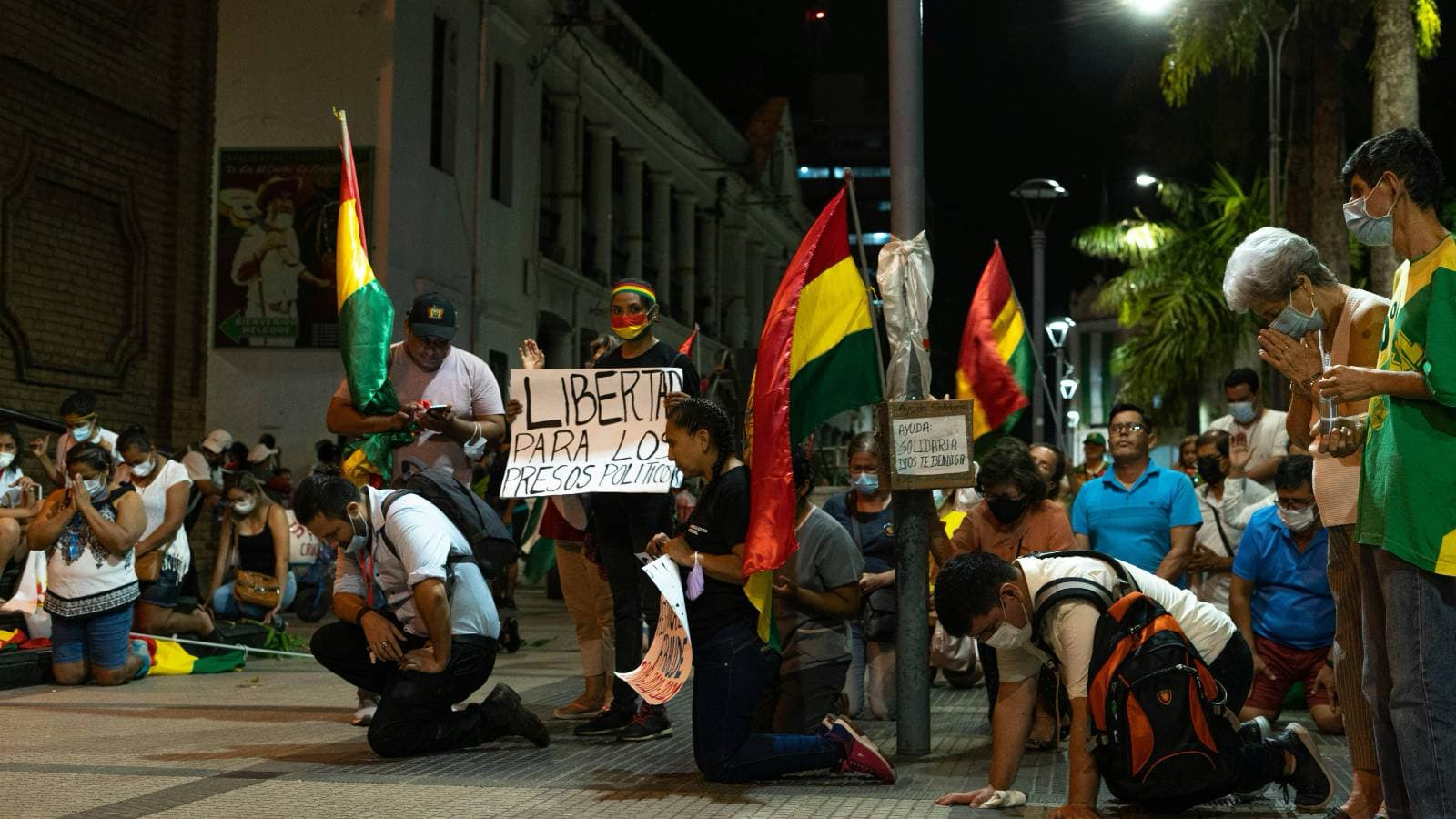
In PerspectiveBolsonaro continues to employ fear as rhetoric, but not as fear of the pandemic in order to legitimize stronger use of force and police control as one would expect. Rather, his authoritarian trends show in different ways as he attempts to engage the working class through fear of losing jobs and going hungry.

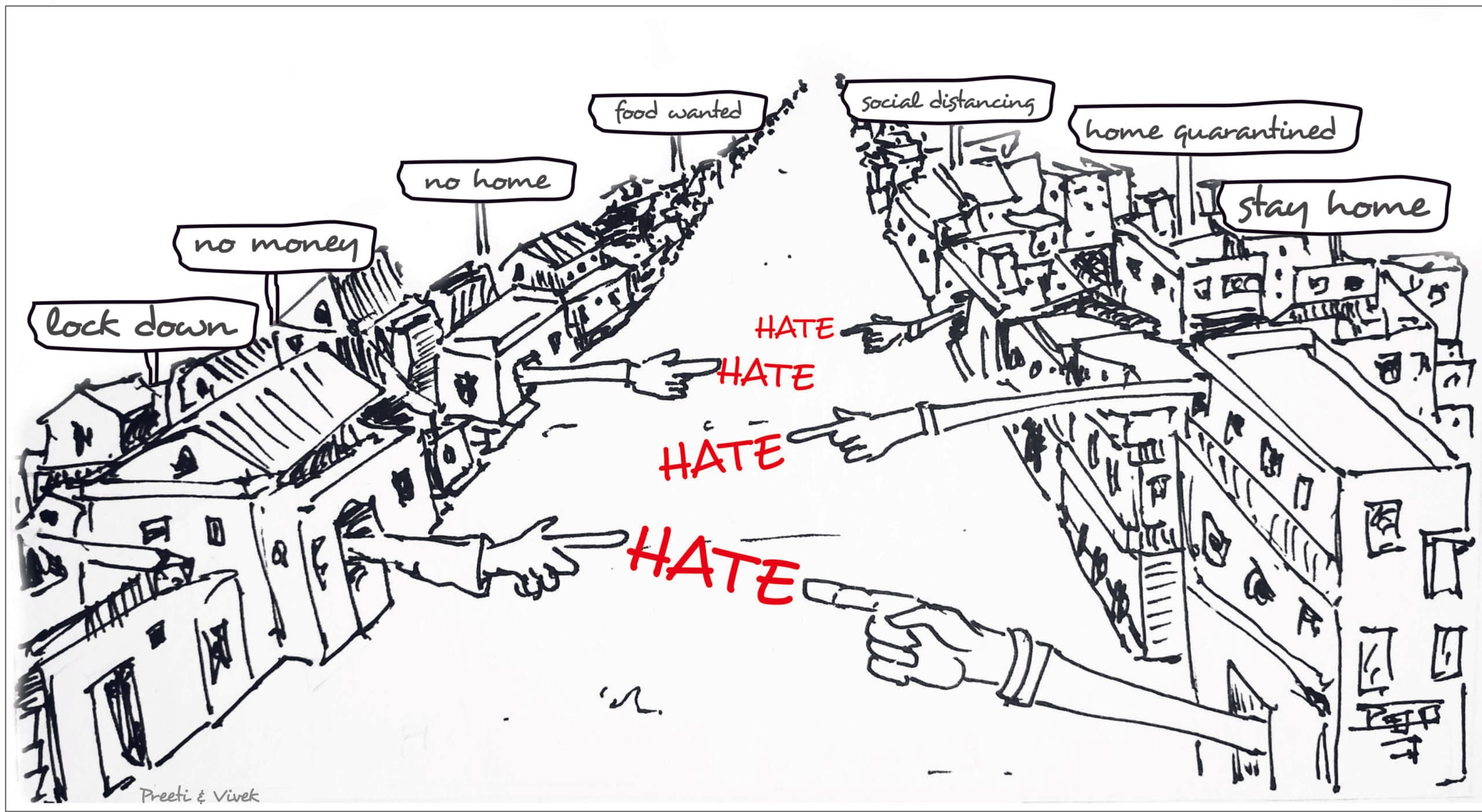
In PerspectiveIn May 2020, while the world continued to grapple with ways of dealing with the pandemic, UN Secretary General António Guterres spoke about the “tsunami of hate” targeting specific communities in the wake of the COVID-19 crisis. One such maelstrom, targeting the Muslim community, was seen taking place in India, with allegations of ‘corona jihad’ becoming widespread during the first phase of the COVID-19 lockdown in the country.
InterviewIran is going through dramatic times and tectonic shifts. In this interview, Nader Talebi reflects on the Islamic regime and its tensions between a neoliberal state project and a messianic Shia imaginary, and on the waves of uprisings against a regime that enforces gender apartheid and destroys the means of reproduction of life. Against this, Talebi insists on what connects the mobilizations of the last years — a politics of life, cross-ethnic solidarity, and a revolutionary tendency that makes any dictatorship hard to sustain.
In PerspectiveThe rise of right-wing discourses in Latin America presents itself as a promise of change, appealing to meritocracy, pragmatism, and economic recovery. Yet behind this language of renewal lies a familiar political logic. In a context of crisis, uncertainty, and generational weariness, these narratives recycle conservative and authoritarian measures while positioning themselves as “real solutions,” gaining particular traction among young people who navigate vulnerability, disillusionment, and the search for stability.
In PerspectiveThe explosive growth of social media self-help culture promises quick solutions to intimate crises, from restoring “feminine energy” to reclaiming “masculine power.” Yet beneath its language of empowerment lies a deeper political logic. As neoliberal societies produce a growing “care deficit,” self-help influencers transform insecurity into a market while promoting survivalist individualism, gender essentialism, and authoritarian fantasies of control that increasingly echo the moral agendas of contemporary far-right politics.
By Ülker Sözen
In PerspectiveInstitutions of culture and knowledge are facing an existential threat from an AI-powered assault. But interpretative entities such as universities, courts, and digital platforms are not only tools of domination, but also key terrains of struggle. As algorithmic bombardment threatens to disintegrate the common sense, we have to expand the commons of sense.


Theory & Research
Neoliberalism has dismantled the social structures that offered
security and orientation to life. The far right successfully channels
the resulting fears and anxieties towards purist, social Darwinist fantasies. Politics of care stands as a defiant response to that. In
an era defined by uncertainty and precarity, care emerges as
survival, resistance, and imagination. Care is a counter-normative
project: sustaining and (re)generating social life while embracing
contradiction and resisting the demands for purity.
By Firoozeh Farvardin and Gustavo Robles
In PerspectiveThe new volume from IRGAC and kollektiv orangotango brings together more than 50 first-hand accounts of anti-authoritarian movements, activists, artists, and scholars from around the world, focusing on the sensuous and emotional dimension of their strategies
By Börries Nehe and Aurel Eschmann
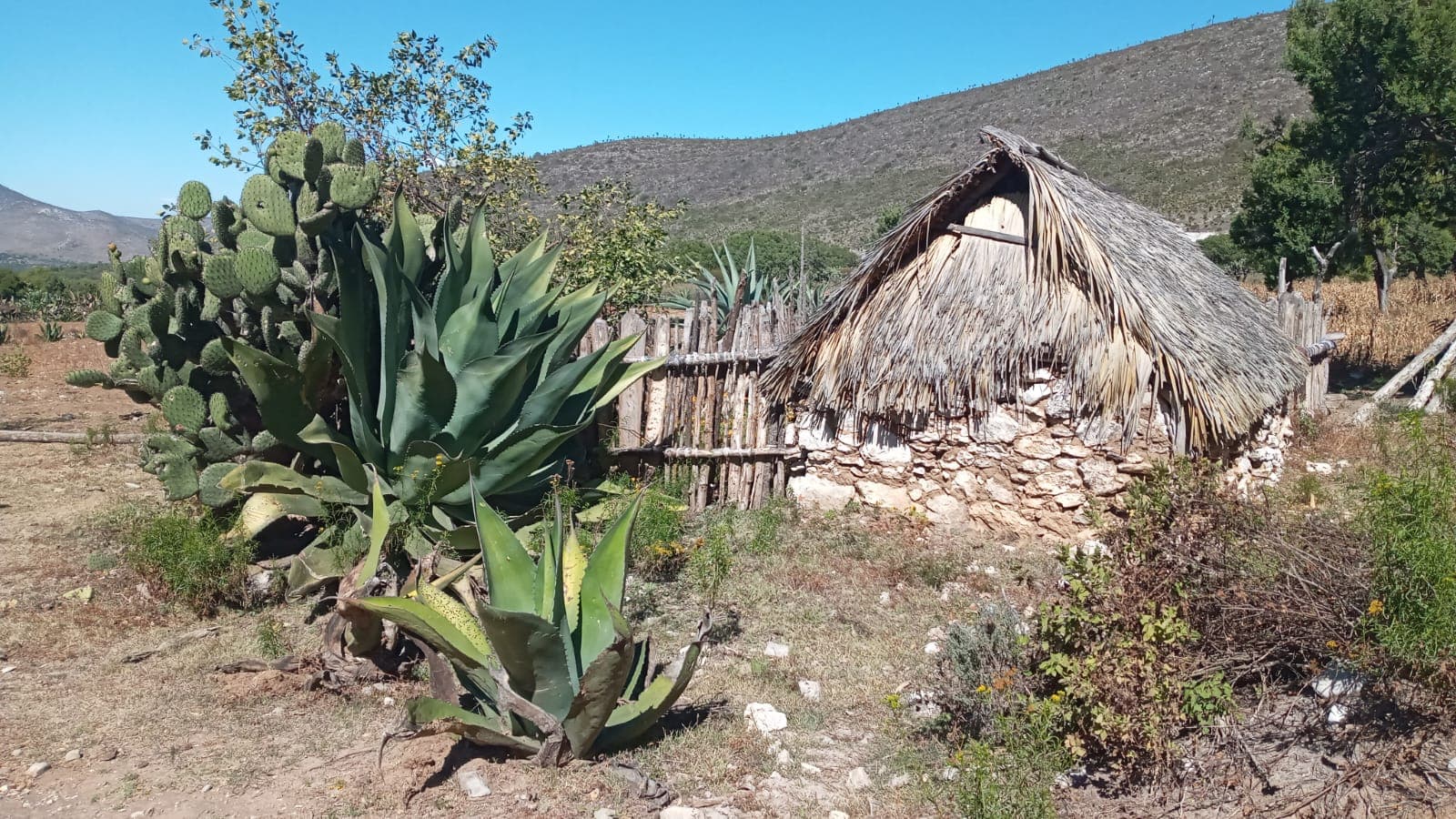
Theory & ResearchIn April 2023, IRGAC and the Seminar on Subjectivity and Critical Theory (Seminario Subjetividad y Teoría Crítica, SSCT) of the Graduate School of Sociology at the Benemérita Universidad Autónoma de Puebla (Mexico) met for a “South–South” dialogue, exchanging findings and experiences regarding the dynamics of the multiple global crises. This dossier presents some of the insights that have emerged from this encounter
In PerspectiveThe airline industry has only just recovered from its most severe crisis in history: the COVID-19 pandemic. For cabin crew workers in particular, the sectorial restructuring following LATAM Airways’ departure and the changes in the aeronautical regulations in 2021 marked a shift in labour relations and working standards
By Sara Cufré

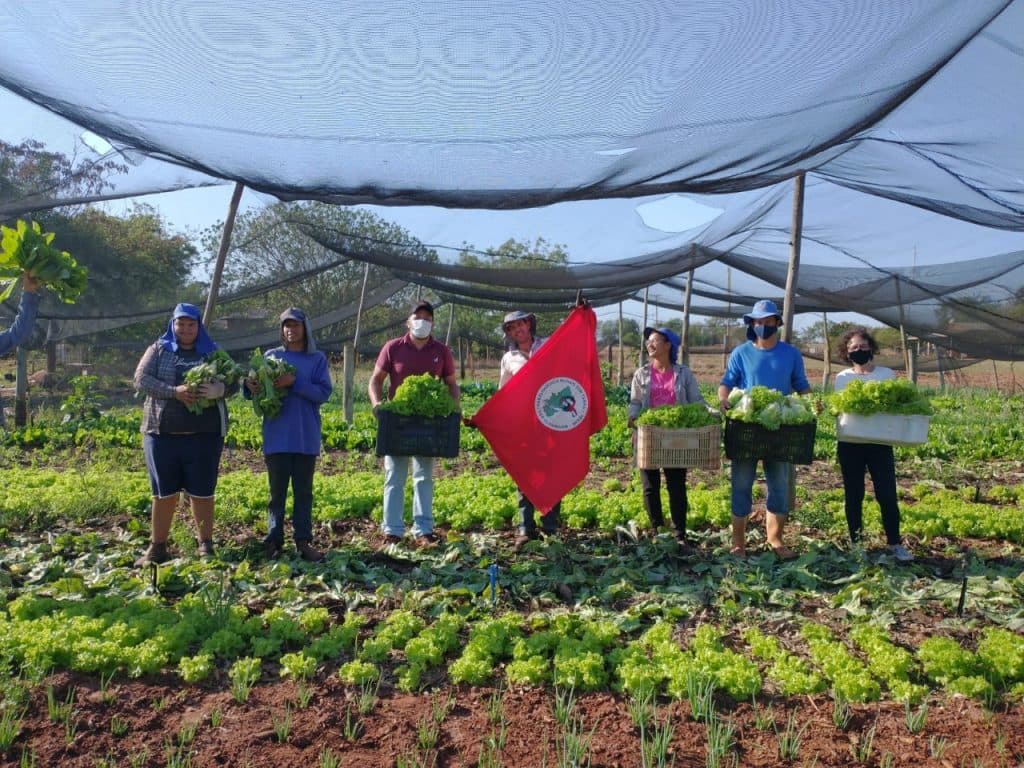
In PerspectiveThe significance of the MST in Brazil has been most noticeable during the pandemic. In a country that lost more than 684.000 people to a disease brought by plane through the wealthy elite, in a society where racialized and sexualized bodies are always the most vulnerable, it was (and still is) extremely important to find solidarity between the country and the city

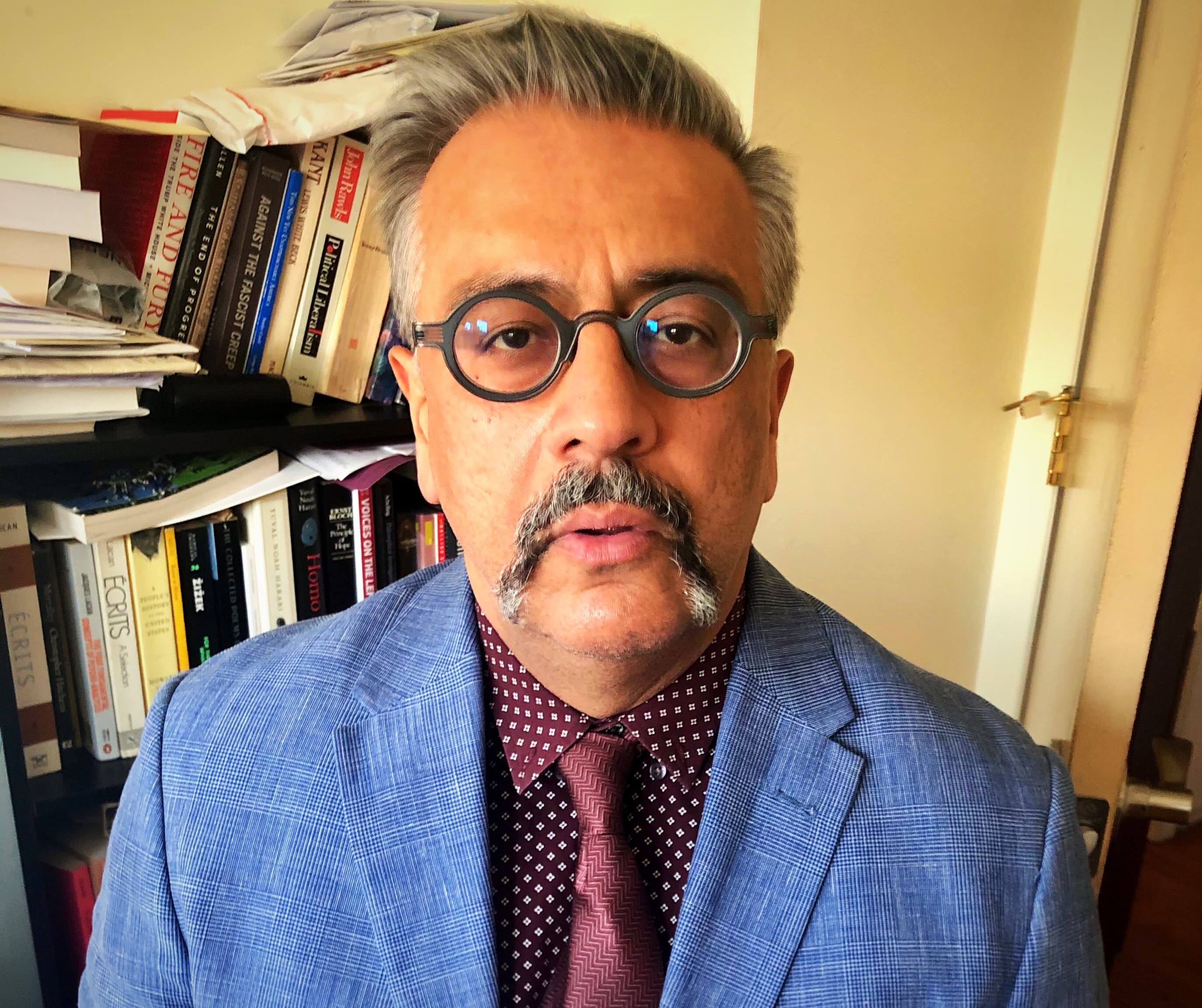
InterviewIn our interview with Samir Gandesha we discuss the relation between authoritarianism, colonialism, and crisis – the climate crisis, the crisis of masculinity, and the crisis of the left, among others. In this context, “social anxieties become transformed into political fears through populist rhetoric”, Gandesha claims. But for him, authoritarian tendencies aren’t limited to the far-right; they are also at the very core of the moralizing spirit of the “woke” left.
By Börries Nehe and Gustavo Robles
Theory & Research
The
current crisis is creating political conditions in which states are
losing their ability to manage internal societal contradictions. The consequences of the crisis of
neoliberalism, which has severed social bonds, have evolved into a
broader crisis that is causing modern societies to lose their social
cohesion, and their ability to politically organise to find adequate
responses to the crisis itself.

Interview
Melina Vázquez and Carolina Spataro explore a new type of right-wing
libertarian feminism, distinct not only from left-wing feminism but
also from classical liberal feminism and right-wing conservatism. Who
are these libertarian feminists and why do they think feminism has
more to do with Javier Milei than with socialism?
Theory & Research
How is “progress” understood in this
territory? For whom is it intended? How has Bolivian society,
particularly in Santa Cruz, been transformed in recent decades? Why
speak of authoritarianism? Seeking collective answers to these
questions—and opening the door to new ones—we met in July at a
roundtable during the Congress of the Association of Bolivian Studies
(AEB). This text summarises the reflections that emerged and presents
a set of ongoing research projects.

In PerspectiveThe rise of right-wing discourses in Latin America presents itself as a promise of change, appealing to meritocracy, pragmatism, and economic recovery. Yet behind this language of renewal lies a familiar political logic. In a context of crisis, uncertainty, and generational weariness, these narratives recycle conservative and authoritarian measures while positioning themselves as “real solutions,” gaining particular traction among young people who navigate vulnerability, disillusionment, and the search for stability.
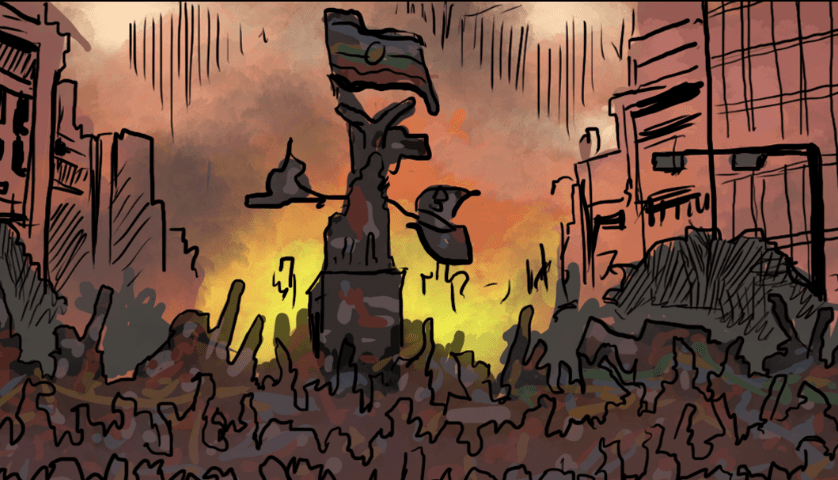
In PerspectiveIn just six years, Chile underwent a dramatic political reversal: from the 2019 uprising demanding progressive reforms and deeper democracy to the rise of far-right leader José Antonio Kast. This analysis traces how a moment of democratic possibility gave way to authoritarian nostalgia.
In Perspective
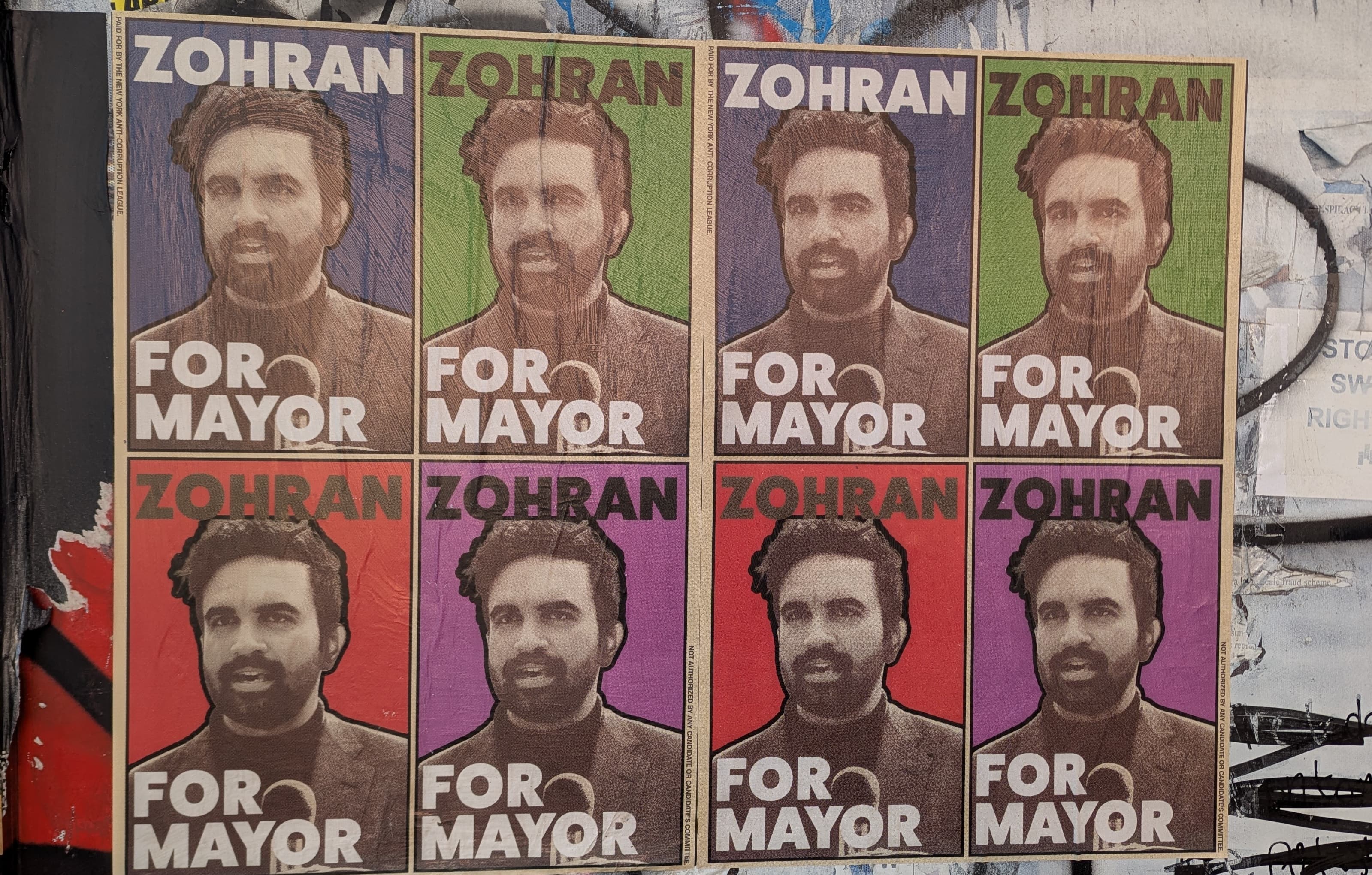
In
a time when authoritarianism is globalized, leftist victories
also have a spillover effect that inspires counter-strategies in
different geographies. In this article, Özge Yaka draws some lessons from the Mamdani campaign and points to challenges for socialists around the globe.
By Özge Yaka
Şebnem Oğuz examines late fascism as a contemporary mode of crisis management, distinct not only from neoliberal authoritarianism and right-wing populism but also from classical fascism. How does capitalist crisis reorganize the state around war, racialized violence, and coercive accumulation? And what does this mean for anti-fascist struggle in Turkey?
By Melehat Kutun and Ali Yalçın Göymen
Theory & Research
The
current crisis is creating political conditions in which states are
losing their ability to manage internal societal contradictions. The consequences of the crisis of
neoliberalism, which has severed social bonds, have evolved into a
broader crisis that is causing modern societies to lose their social
cohesion, and their ability to politically organise to find adequate
responses to the crisis itself.
InterviewArgentinian feminist intellectual Rita Segato draws connections between the genocide in Gaza and the femicides she studied in Ciudad Juárez, and reflects about the current fascistic shift and how some of her key conceptualizations on coloniality, race, and violence, help us decipher it.
By Börries Nehe
In PerspectiveThe rise of right-wing discourses in Latin America presents itself as a promise of change, appealing to meritocracy, pragmatism, and economic recovery. Yet behind this language of renewal lies a familiar political logic. In a context of crisis, uncertainty, and generational weariness, these narratives recycle conservative and authoritarian measures while positioning themselves as “real solutions,” gaining particular traction among young people who navigate vulnerability, disillusionment, and the search for stability.
Theory & Research
How is “progress” understood in this
territory? For whom is it intended? How has Bolivian society,
particularly in Santa Cruz, been transformed in recent decades? Why
speak of authoritarianism? Seeking collective answers to these
questions—and opening the door to new ones—we met in July at a
roundtable during the Congress of the Association of Bolivian Studies
(AEB). This text summarises the reflections that emerged and presents
a set of ongoing research projects.
In PerspectiveThe new volume from IRGAC and kollektiv orangotango brings together more than 50 first-hand accounts of anti-authoritarian movements, activists, artists, and scholars from around the world, focusing on the sensuous and emotional dimension of their strategies
By Börries Nehe and Aurel Eschmann
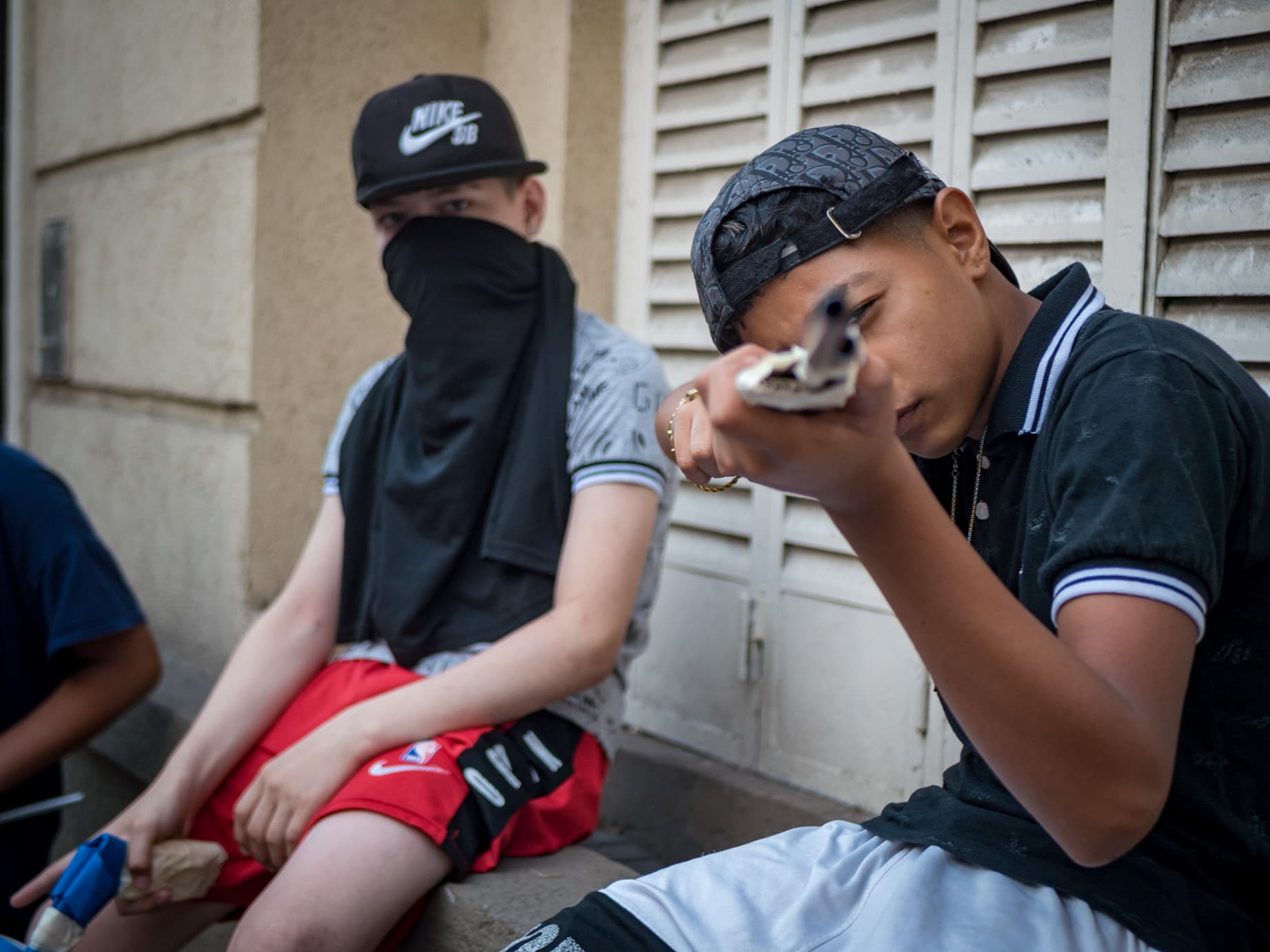

In PerspectiveThe rise of right-wing discourses in Latin America presents itself as a promise of change, appealing to meritocracy, pragmatism, and economic recovery. Yet behind this language of renewal lies a familiar political logic. In a context of crisis, uncertainty, and generational weariness, these narratives recycle conservative and authoritarian measures while positioning themselves as “real solutions,” gaining particular traction among young people who navigate vulnerability, disillusionment, and the search for stability.
In PerspectiveSince
late 2024, events in Serbia have been unfolding at breakneck speed. Each new protest action and the
government’s reaction have revealed another layer
of corruption at the heart of the government, while the movement's strength has been growing. Since mid-August, the Vučić government is increasingly relying on brute force
against unarmed protesters. What has happened so far? What comes next?
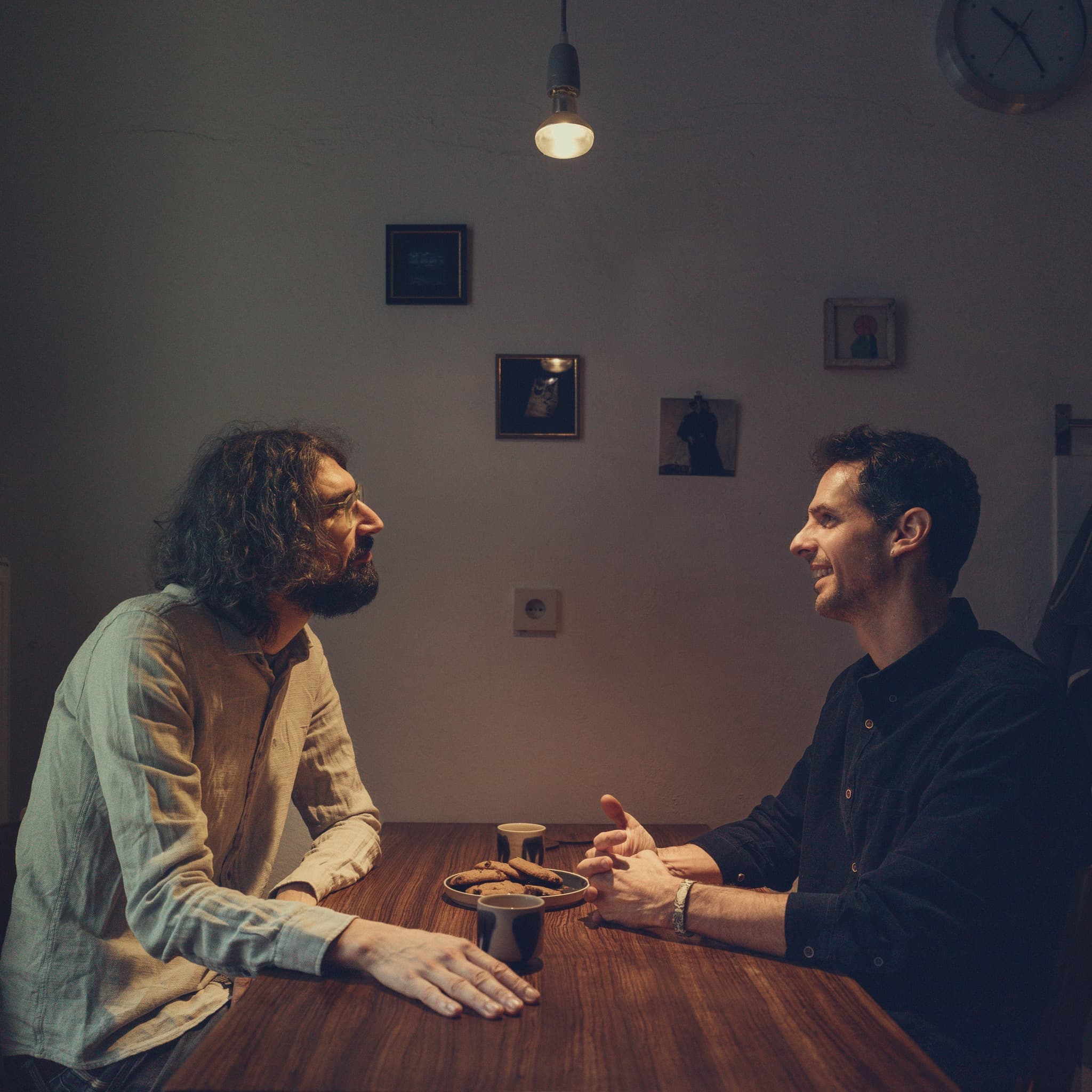
Theory & ResearchAll revolutions in modern times have something in common: they surprise and overwhelm. Yet we cannot endure the moment of revolution, which we perceive as chaos that must be tamed by order of conceptual rationality. The Woman-Life-Freedom revolutionary movement is no exception. How can we read and understand it without domesticating the revolution?

Theory & ResearchIn Latin America, the re-neoliberalization of political and economic systems has intensified an ongoing process of de-democratization, strengthening the onslaught by neoconservative religious and secular groups, which have been growing more powerful since around 2013. These two processes—re-neoliberalization and the growth of neoconservatisms—are connected.
In Perspective
In
a time when authoritarianism is globalized, leftist victories
also have a spillover effect that inspires counter-strategies in
different geographies. In this article, Özge Yaka draws some lessons from the Mamdani campaign and points to challenges for socialists around the globe.
By Özge Yaka
In PerspectiveThe airline industry has only just recovered from its most severe crisis in history: the COVID-19 pandemic. For cabin crew workers in particular, the sectorial restructuring following LATAM Airways’ departure and the changes in the aeronautical regulations in 2021 marked a shift in labour relations and working standards
By Sara Cufré
Theory & ResearchMexico has, up to date, 115,062 people reported as being disappeared. The problem is evident but raises many questions. Who counts as disappeared? How do we count disappearance? Who counts as “disappeared” and who not? Is every absence a disappearance? How valid is it to invoke disappearance in the case of absences? What do we understand when we hear that “people can disappear”?

InterviewIran is going through dramatic times and tectonic shifts. In this interview, Nader Talebi reflects on the Islamic regime and its tensions between a neoliberal state project and a messianic Shia imaginary, and on the waves of uprisings against a regime that enforces gender apartheid and destroys the means of reproduction of life. Against this, Talebi insists on what connects the mobilizations of the last years — a politics of life, cross-ethnic solidarity, and a revolutionary tendency that makes any dictatorship hard to sustain.
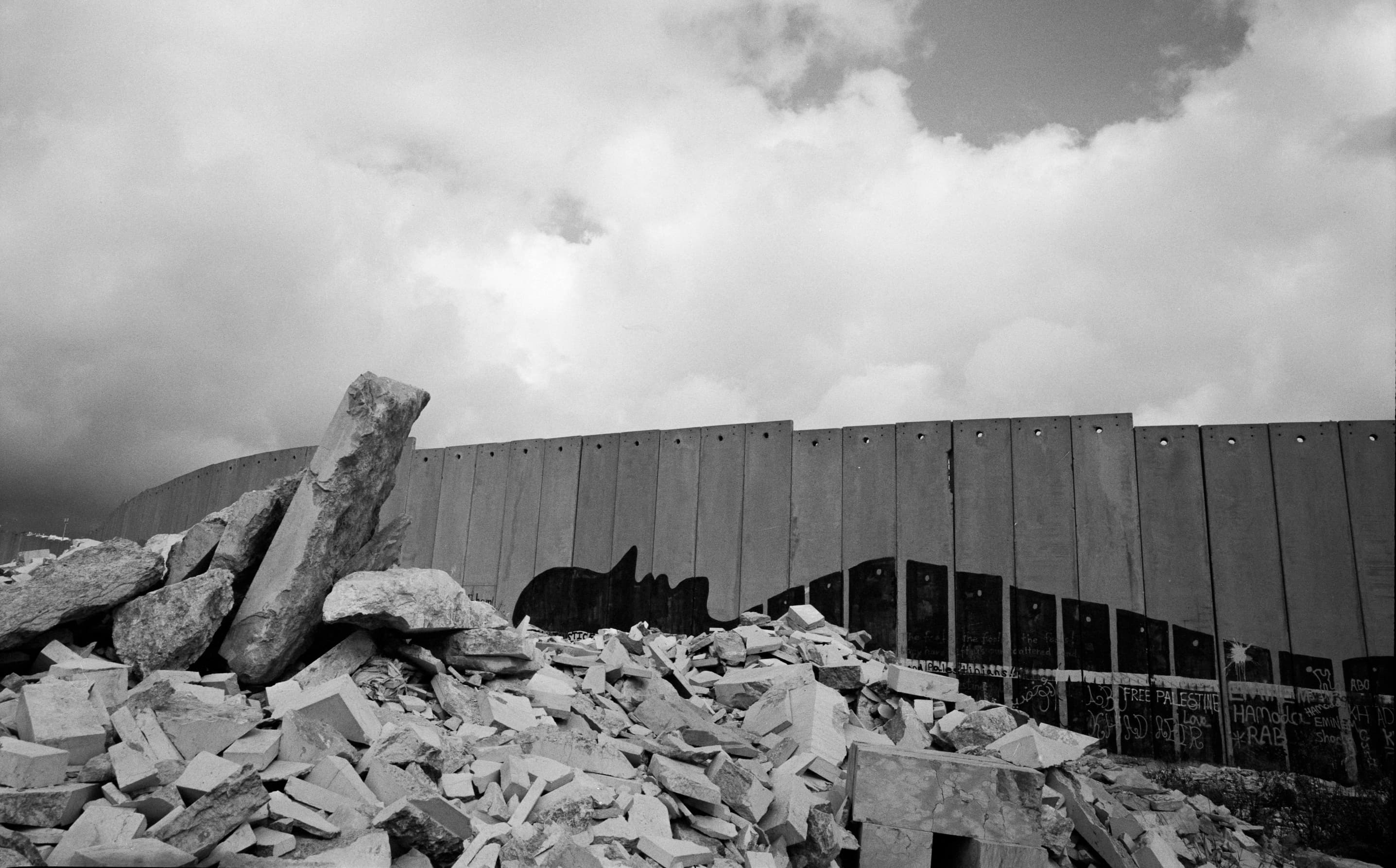
InterviewArgentinian feminist intellectual Rita Segato draws connections between the genocide in Gaza and the femicides she studied in Ciudad Juárez, and reflects about the current fascistic shift and how some of her key conceptualizations on coloniality, race, and violence, help us decipher it.
By Börries Nehe
Theory & Research
The
current crisis is creating political conditions in which states are
losing their ability to manage internal societal contradictions. The consequences of the crisis of
neoliberalism, which has severed social bonds, have evolved into a
broader crisis that is causing modern societies to lose their social
cohesion, and their ability to politically organise to find adequate
responses to the crisis itself.
In PerspectiveThe airline industry has only just recovered from its most severe crisis in history: the COVID-19 pandemic. For cabin crew workers in particular, the sectorial restructuring following LATAM Airways’ departure and the changes in the aeronautical regulations in 2021 marked a shift in labour relations and working standards
By Sara Cufré
InterviewIn this interview, we talk to Mehmet Türkmen, President of the United Textile, Weaving and Leather Workers’ Union (Birtek-Sen), which is an independent trade union founded in Gaziantep, one of Turkey’s major textile centres, at the beginning of 2022. Since its establishment, Birtek-Sen has played a critical role in numerous strikes, particularly in Gaziantep
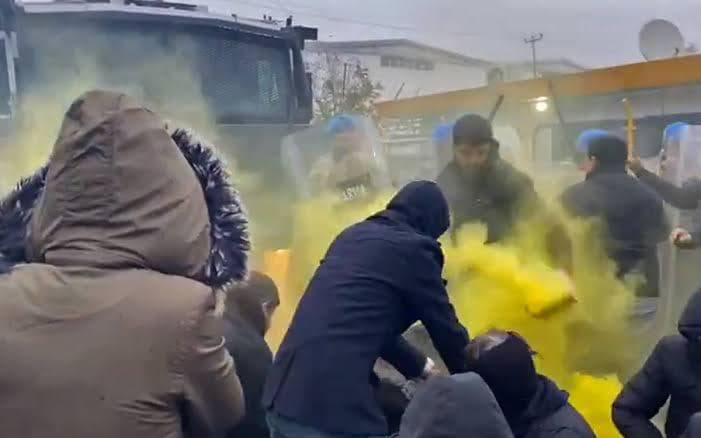
In PerspectiveSince
late 2024, events in Serbia have been unfolding at breakneck speed. Each new protest action and the
government’s reaction have revealed another layer
of corruption at the heart of the government, while the movement's strength has been growing. Since mid-August, the Vučić government is increasingly relying on brute force
against unarmed protesters. What has happened so far? What comes next?
Theory & Research
Neoliberalism has dismantled the social structures that offered
security and orientation to life. The far right successfully channels
the resulting fears and anxieties towards purist, social Darwinist fantasies. Politics of care stands as a defiant response to that. In
an era defined by uncertainty and precarity, care emerges as
survival, resistance, and imagination. Care is a counter-normative
project: sustaining and (re)generating social life while embracing
contradiction and resisting the demands for purity.
By Firoozeh Farvardin and Gustavo Robles
Theory & ResearchAll revolutions in modern times have something in common: they surprise and overwhelm. Yet we cannot endure the moment of revolution, which we perceive as chaos that must be tamed by order of conceptual rationality. The Woman-Life-Freedom revolutionary movement is no exception. How can we read and understand it without domesticating the revolution?
Şebnem Oğuz examines late fascism as a contemporary mode of crisis management, distinct not only from neoliberal authoritarianism and right-wing populism but also from classical fascism. How does capitalist crisis reorganize the state around war, racialized violence, and coercive accumulation? And what does this mean for anti-fascist struggle in Turkey?
By Melehat Kutun and Ali Yalçın Göymen
In PerspectiveInstitutions of culture and knowledge are facing an existential threat from an AI-powered assault. But interpretative entities such as universities, courts, and digital platforms are not only tools of domination, but also key terrains of struggle. As algorithmic bombardment threatens to disintegrate the common sense, we have to expand the commons of sense.
In Perspective
In
a time when authoritarianism is globalized, leftist victories
also have a spillover effect that inspires counter-strategies in
different geographies. In this article, Özge Yaka draws some lessons from the Mamdani campaign and points to challenges for socialists around the globe.
By Özge Yaka
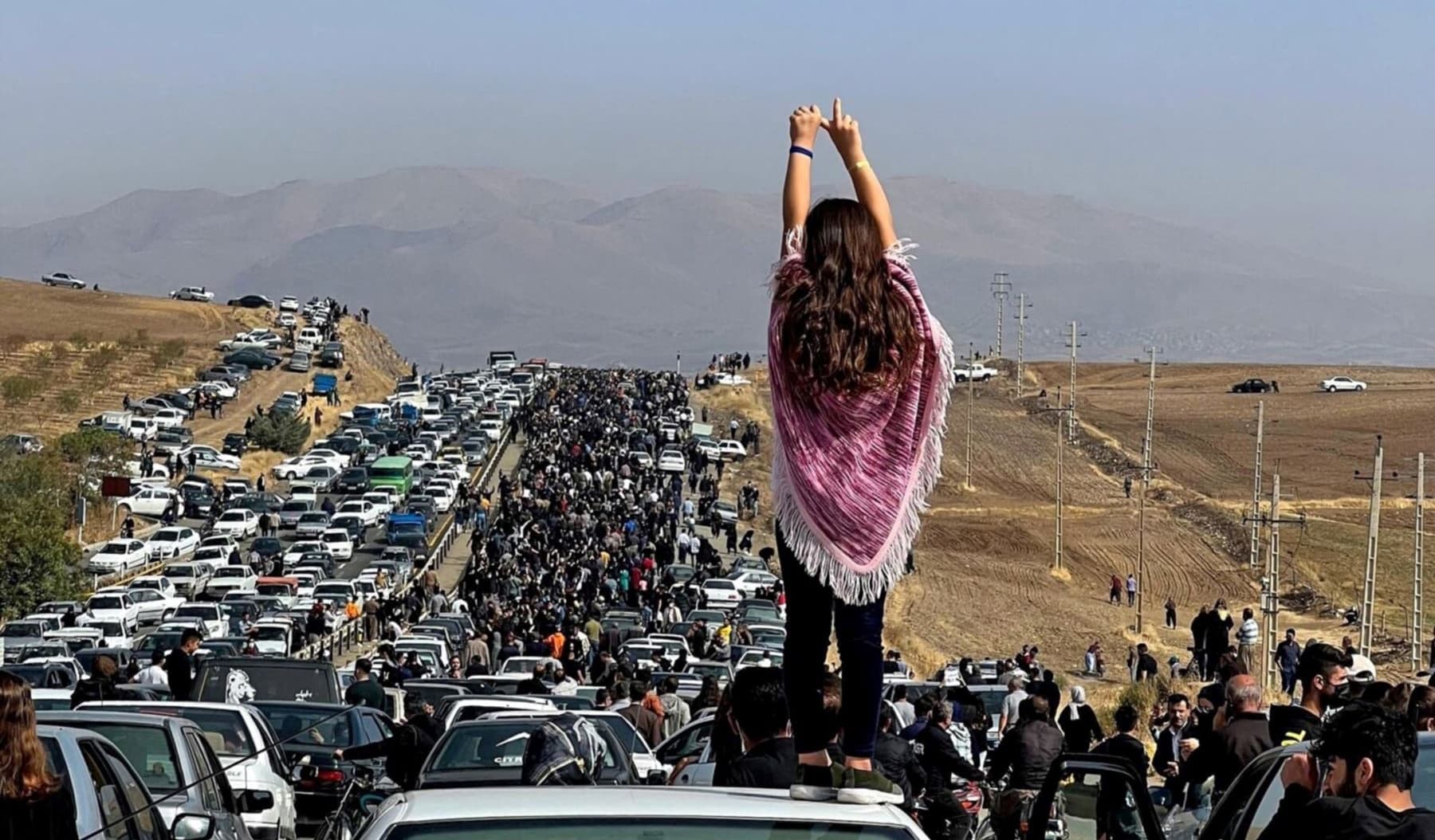
Theory & ResearchThe revolution in Iran can be framed as a feminist revolution also because of its form of resistance. The feminist performative/figurative dimension of the revolution, as an anonymous feminist writer and protester from Iran elaborates, is “the distinguishing feature” of the revolutionary movement that we are witnessing
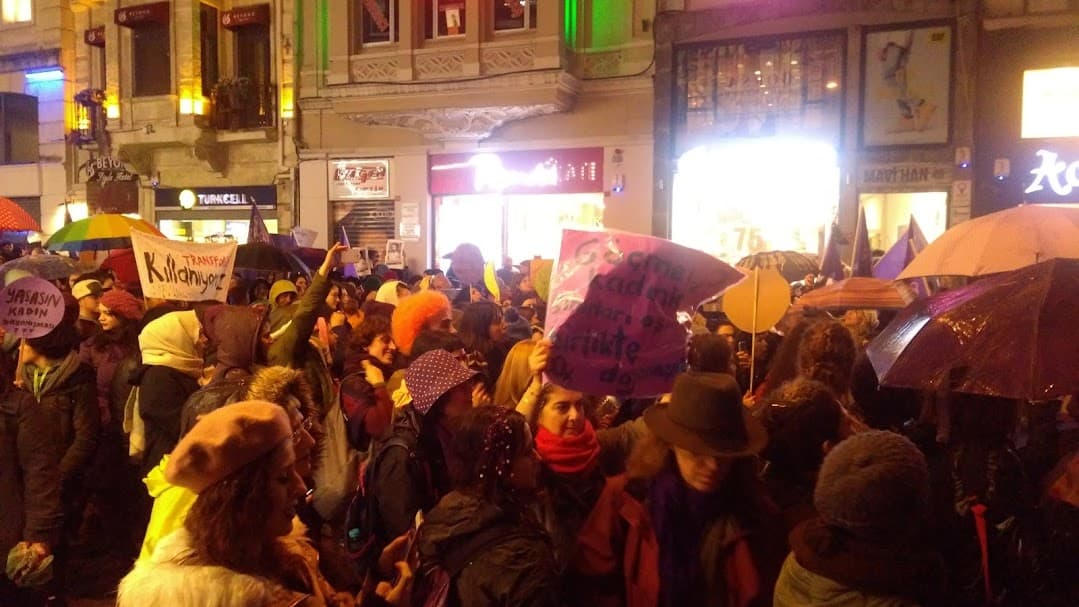
Theory & ResearchThis essay intends to shed light on the emotional life of activists and dissident publics in contemporary Turkey along with producing insights to cultivate a coping perspective against the persistence of authoritarianism and the social polarization that it breeds, which poses a critical challenge to counter-hegemonic projects
By Ülker Sözen
Theory & ResearchRabies is a virus produced in mammals, transmitted by salivary contact, but in Spanish the word rabia is often used to connote anger, irritation, hatred, ill will, and desire for revenge. This rage often leads to negative practices such as the annihilation of others. However, it is also true that on other occasions it can generate positive practices such as the fight for dignity and life
